

Slovak Models of Local Cooperation Explored by Representatives of MĂ IMPLIC Partner Communities
From 15 to 19 June 2026, 12 representatives of local public authorities and civil society organisations from MĂ IMPLIC partner communities took part in a study visit to Slovakia. The visit gave participants an opportunity to explore effective approaches to waste management, intermunicipal cooperation, social service provision and citizen engagement in community development.
The study visit was organised by the “Casa Speranțelor” Social Assistance Centre, with the support of the MĂ IMPLIC Project and ALDA – European Association for Local Democracy. Of the 12 representatives from MĂ IMPLIC partner communities who took part in the visit, four received financial support from the MĂ IMPLIC Project, while the participation of the other eight was funded by ALDA.
From Waste Management to Joint Social Services
During the visit, the Moldovan delegation met with representatives of local and regional authorities, public service providers and community organisations from several Slovak municipalities.
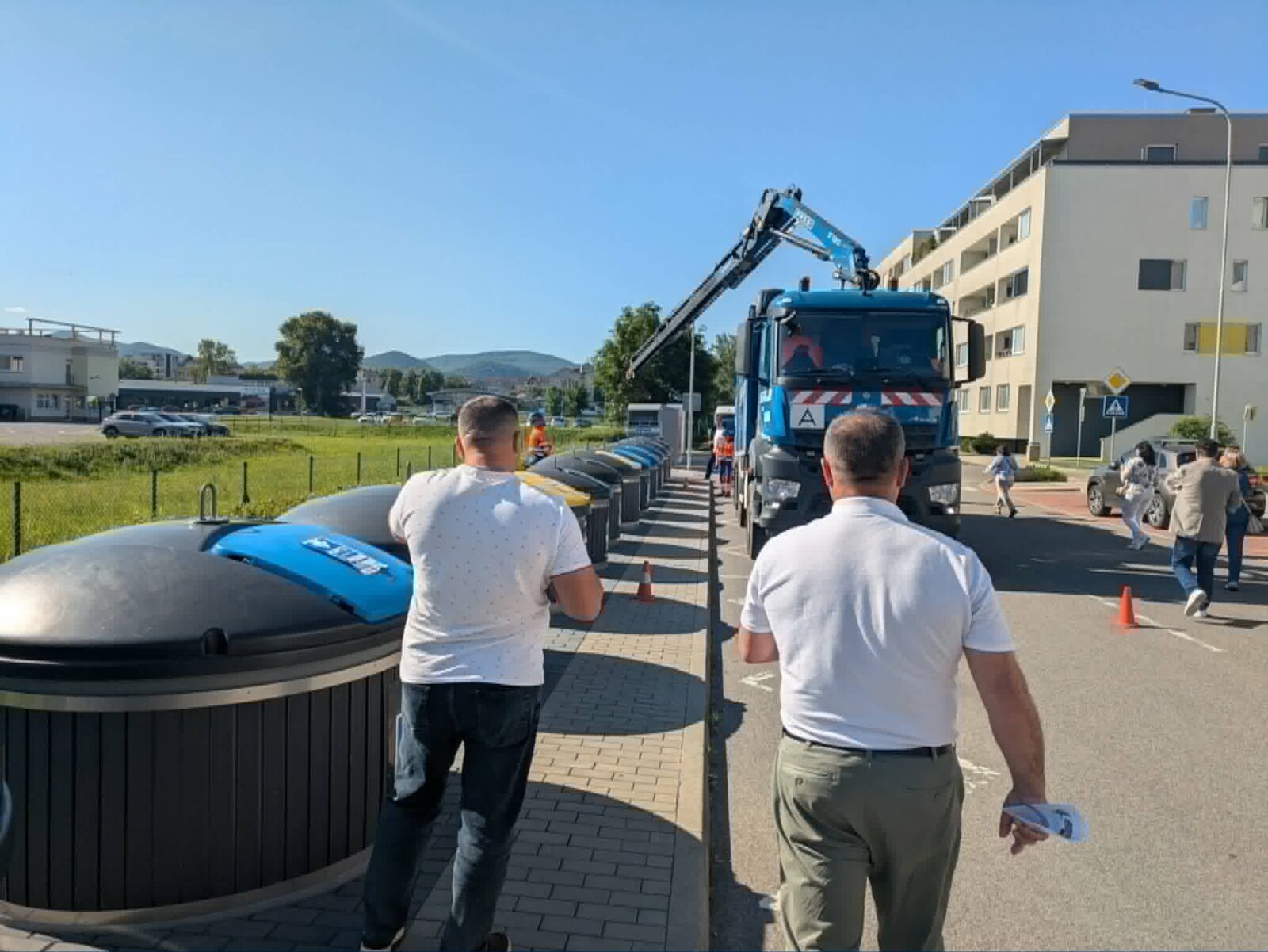
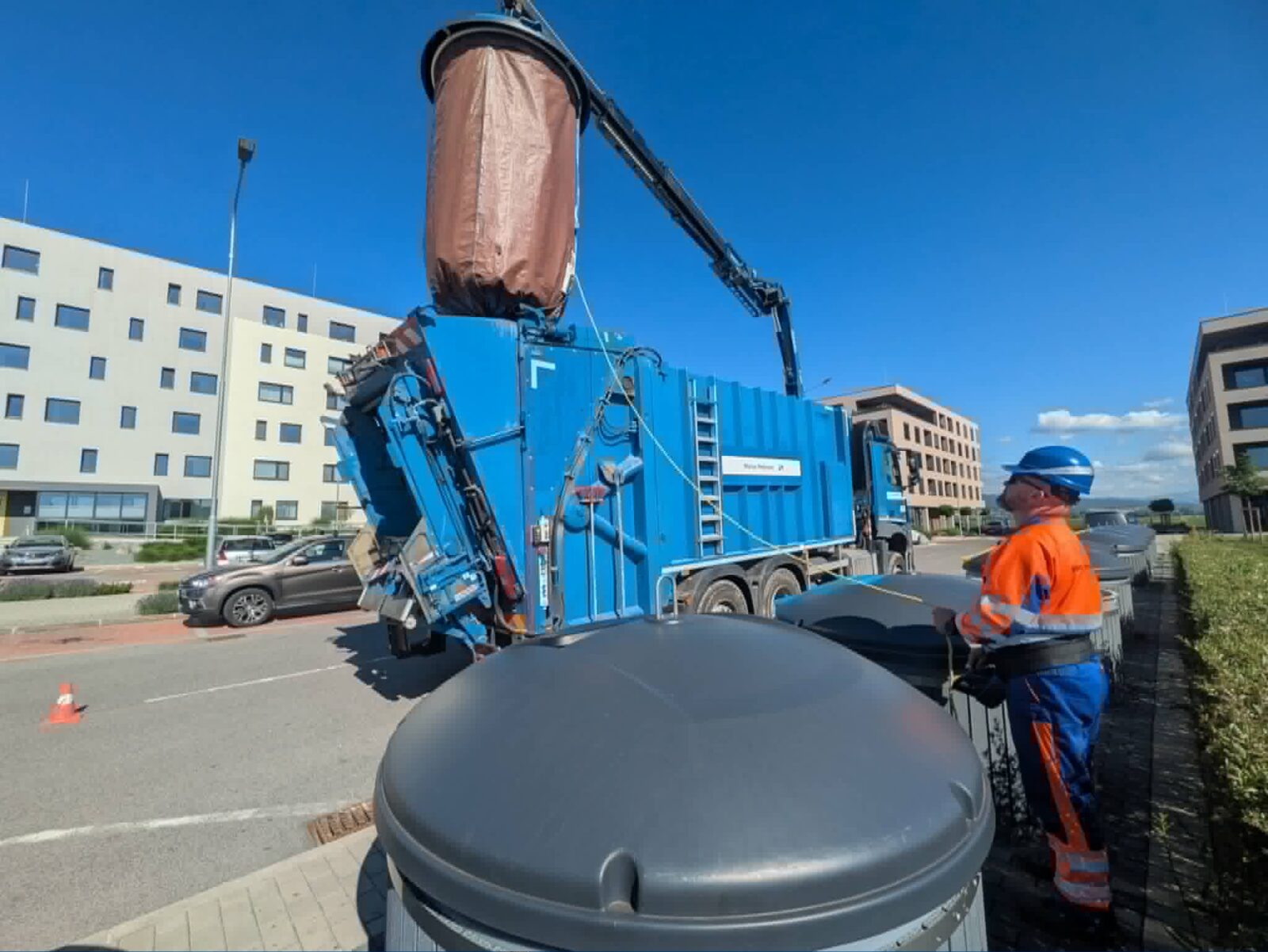
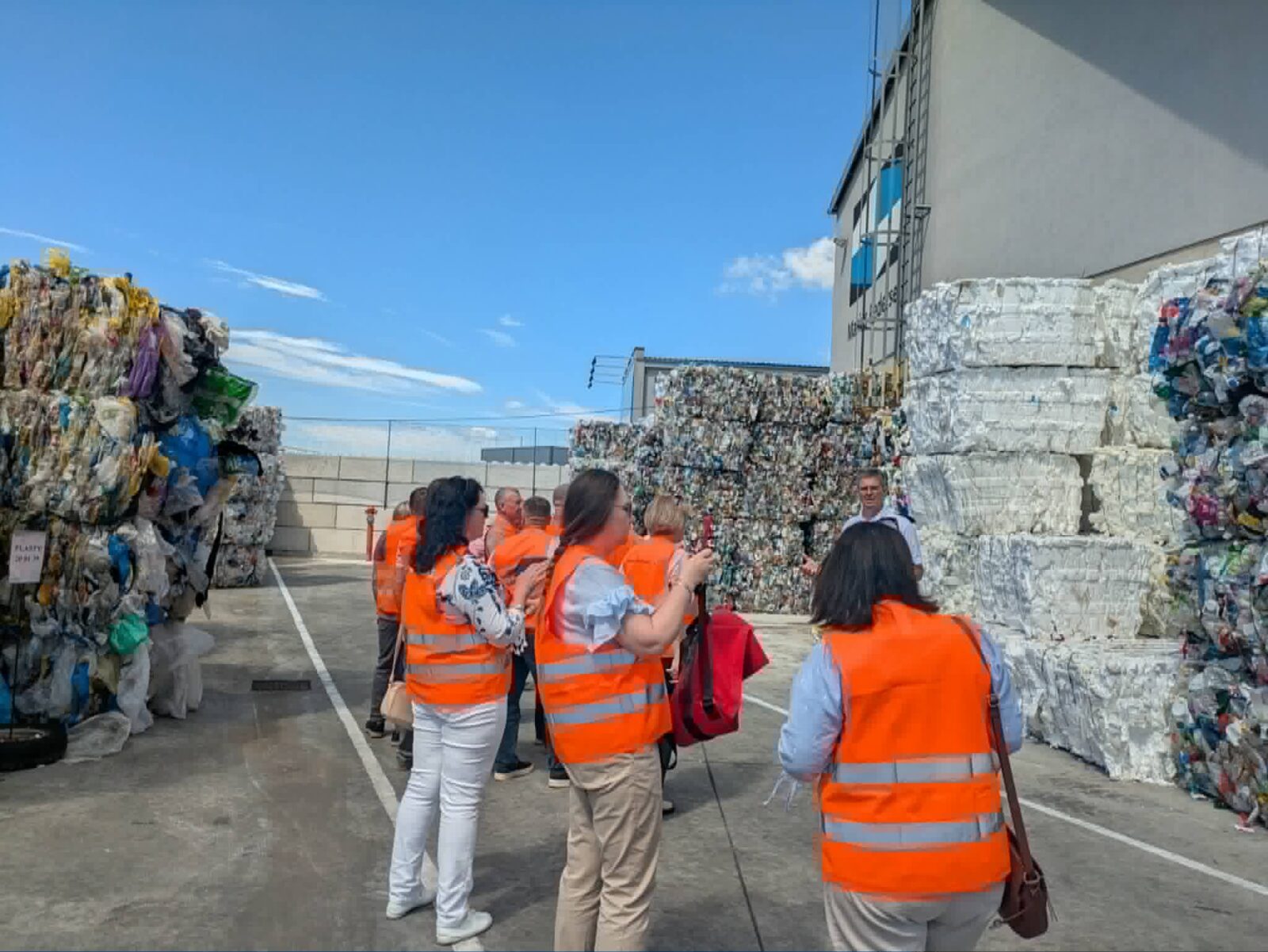
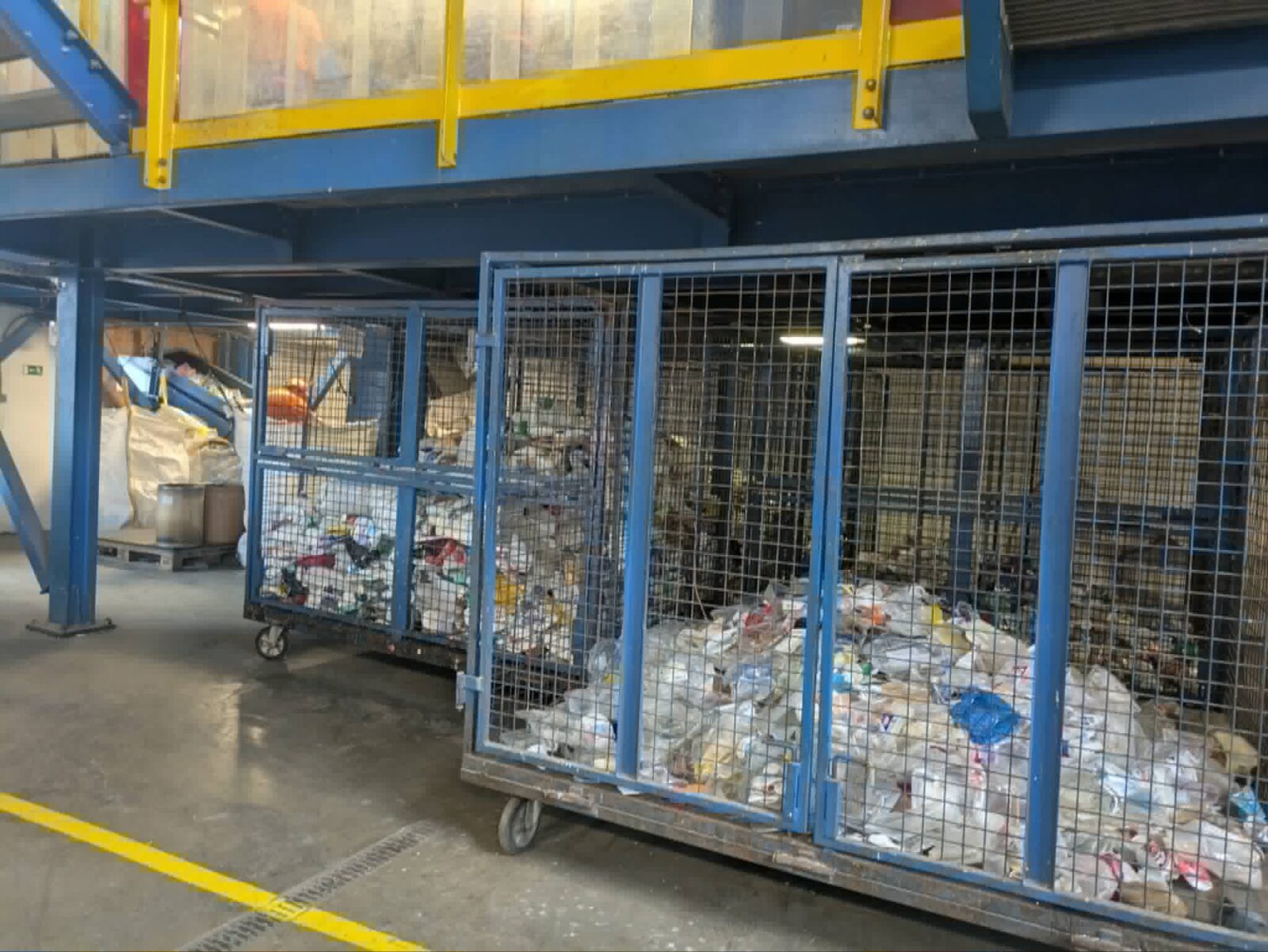
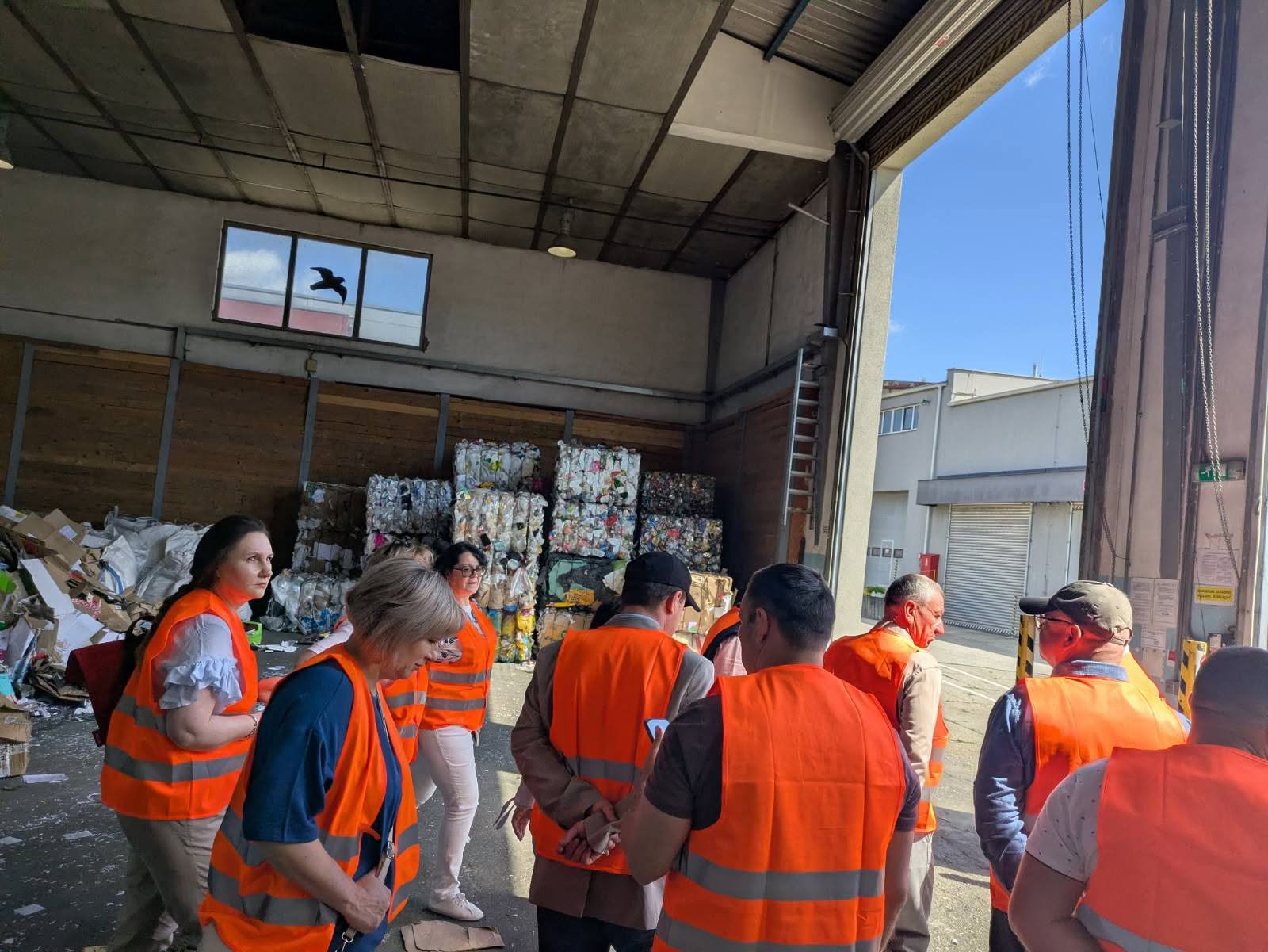
Modern waste management was one of the main topics explored. In Zvolen, participants visited Marius Pedersen, a company specialising in waste collection, transportation, sorting and recycling, as well as in the provision of municipal services to cities and municipalities. Discussions focused on service organisation, cooperation between operators and local authorities, and the operation of separate waste collection centres.
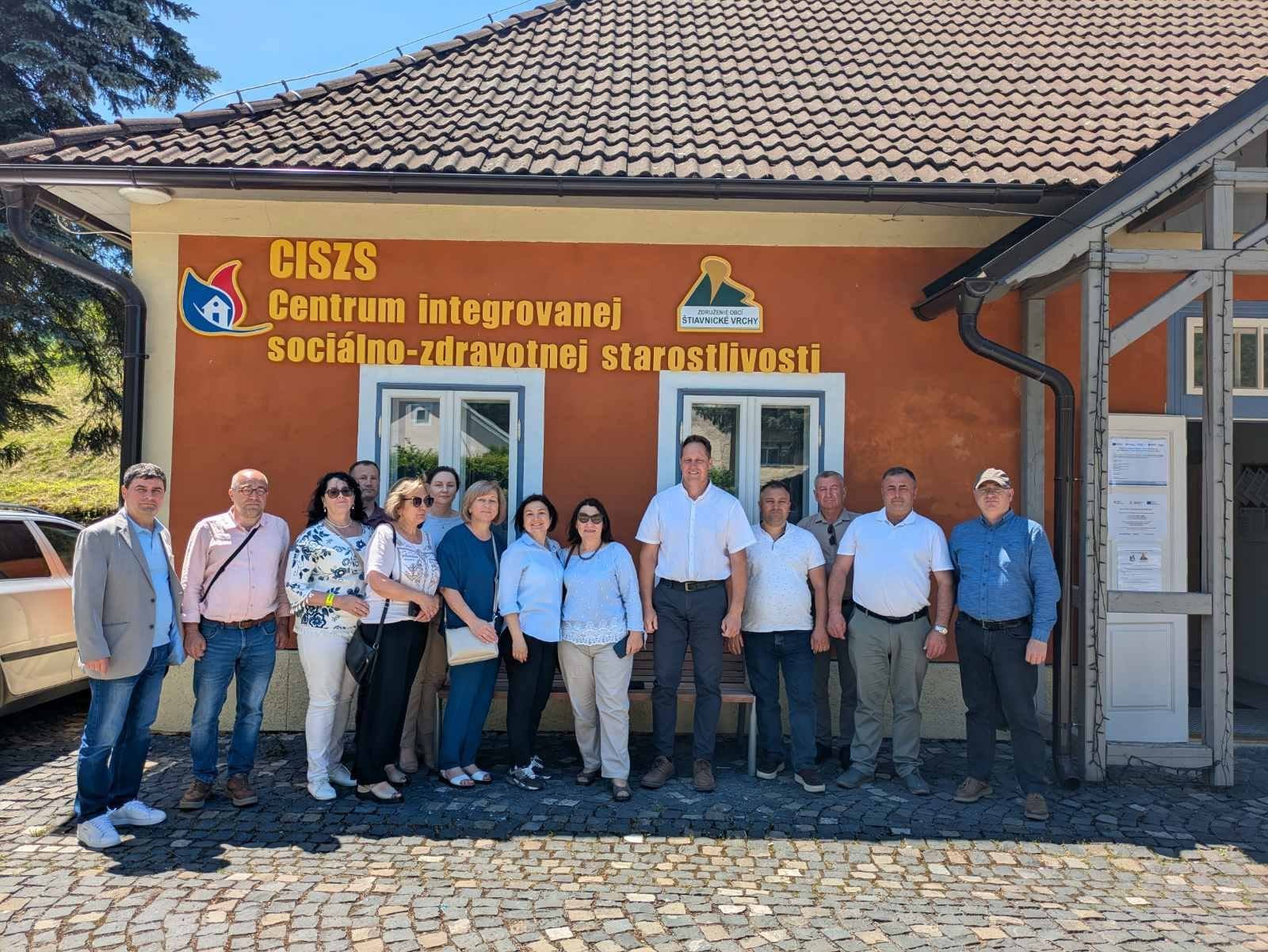
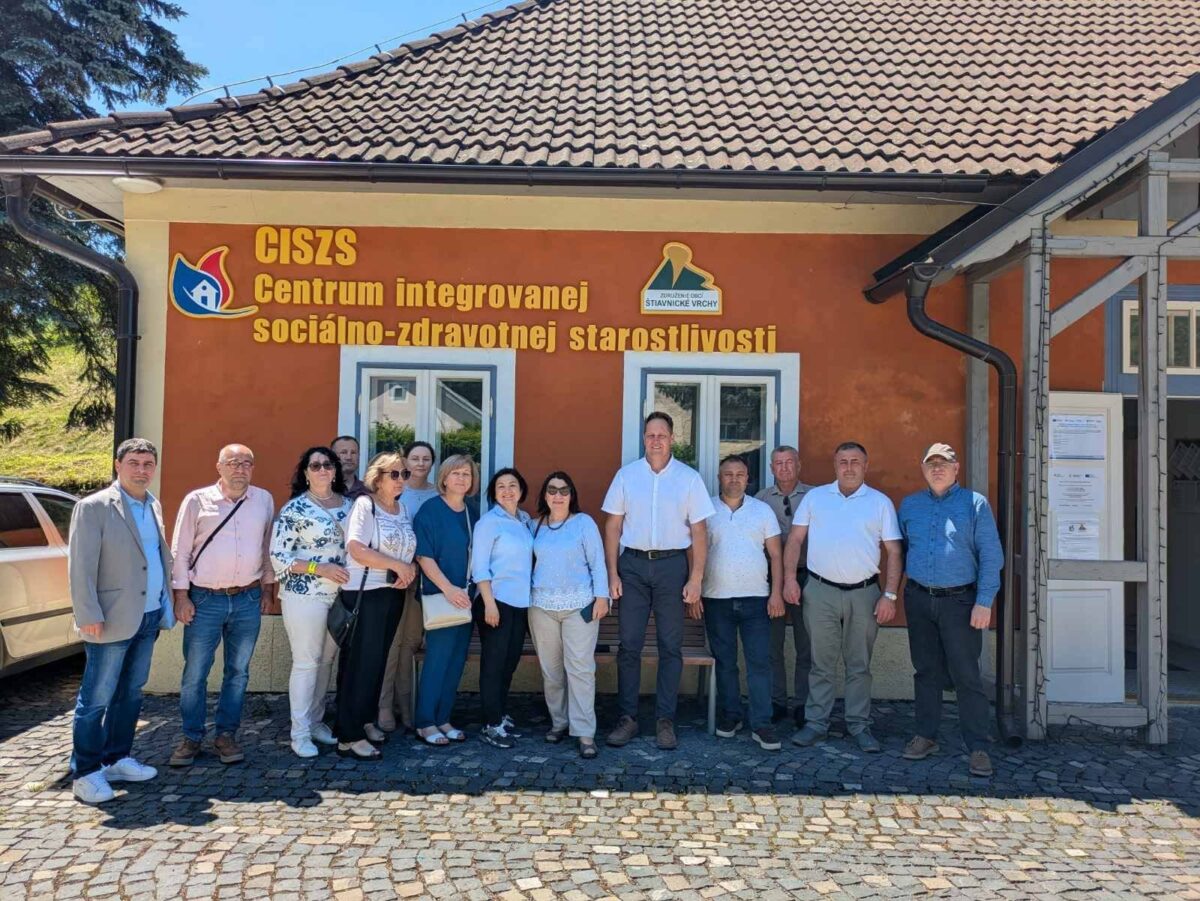
In Svätý Anton, the delegation visited the Community Centre and the Centre for Integrated Social and Healthcare Services. These facilities provide social services, counselling and assistance to residents of Svätý Anton and neighbouring municipalities, offering a relevant example of intermunicipal cooperation in the provision of social and healthcare services in rural areas.
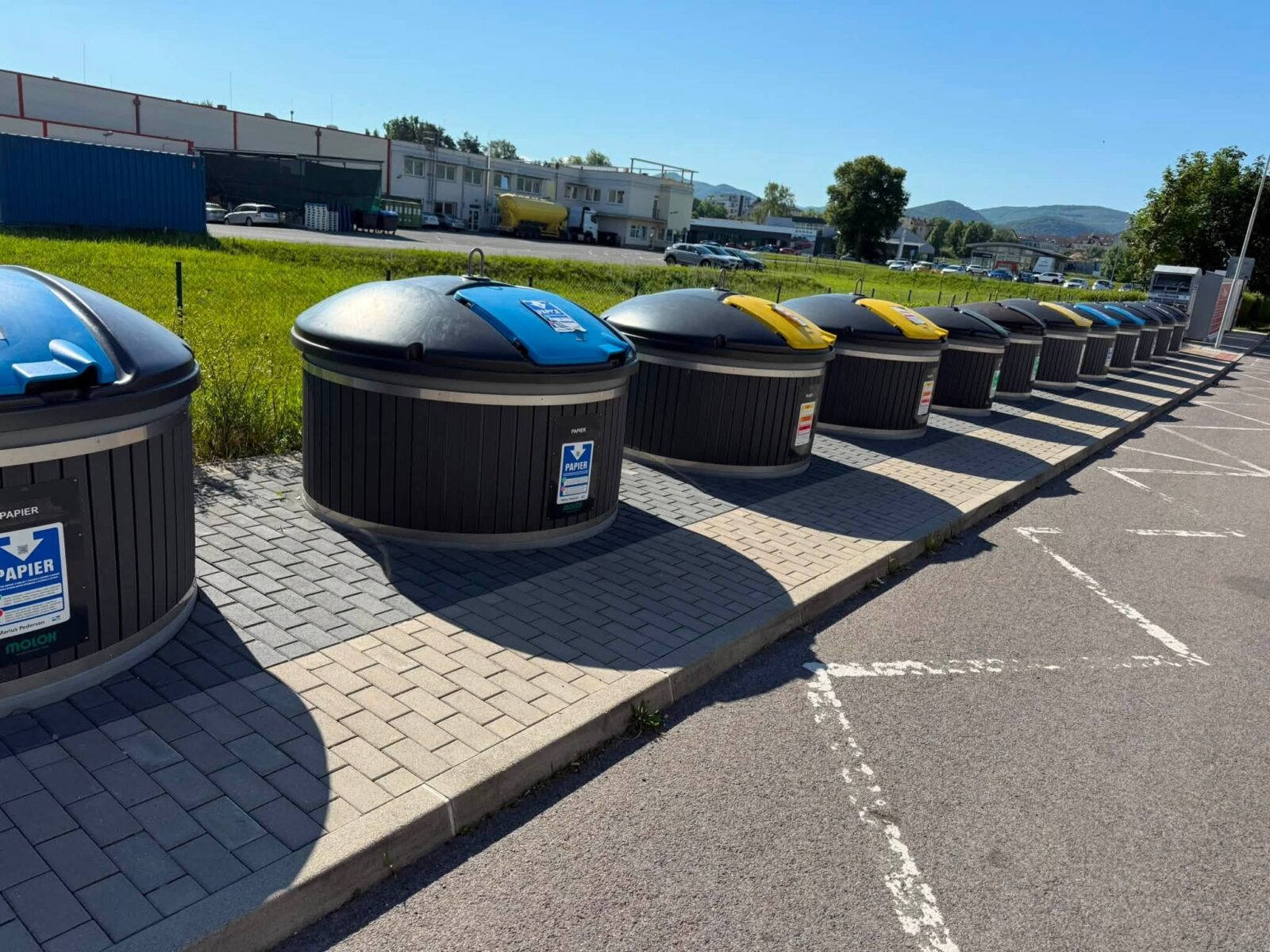
Participants also visited a separate waste collection centre serving both the residents of Svätý Anton and those of neighbouring municipalities.
Cooperation Between Regional and Local Authorities
In Banská Bystrica, participants learned about the work of the regional administration and how it supports local development in areas such as transport, education, social services, healthcare and regional development.
The discussions highlighted the importance of cooperation between regional and local authorities, as well as the role of support mechanisms tailored to the needs of individual communities.
The visit continued in the town of Jelšava, a municipality facing a range of social, economic and demographic challenges. Representatives of the local administration presented the town’s development priorities, the organisation of public services and its experience of working with civil society organisations.
Another example was provided by YMCA Revúca, a community organisation working with children and young people and promoting volunteering, social counselling and community engagement. Its experience demonstrated how partnerships between local authorities and civil society can contribute to solutions that better reflect people’s needs.
Encouraging Citizens to Sort Waste Responsibly
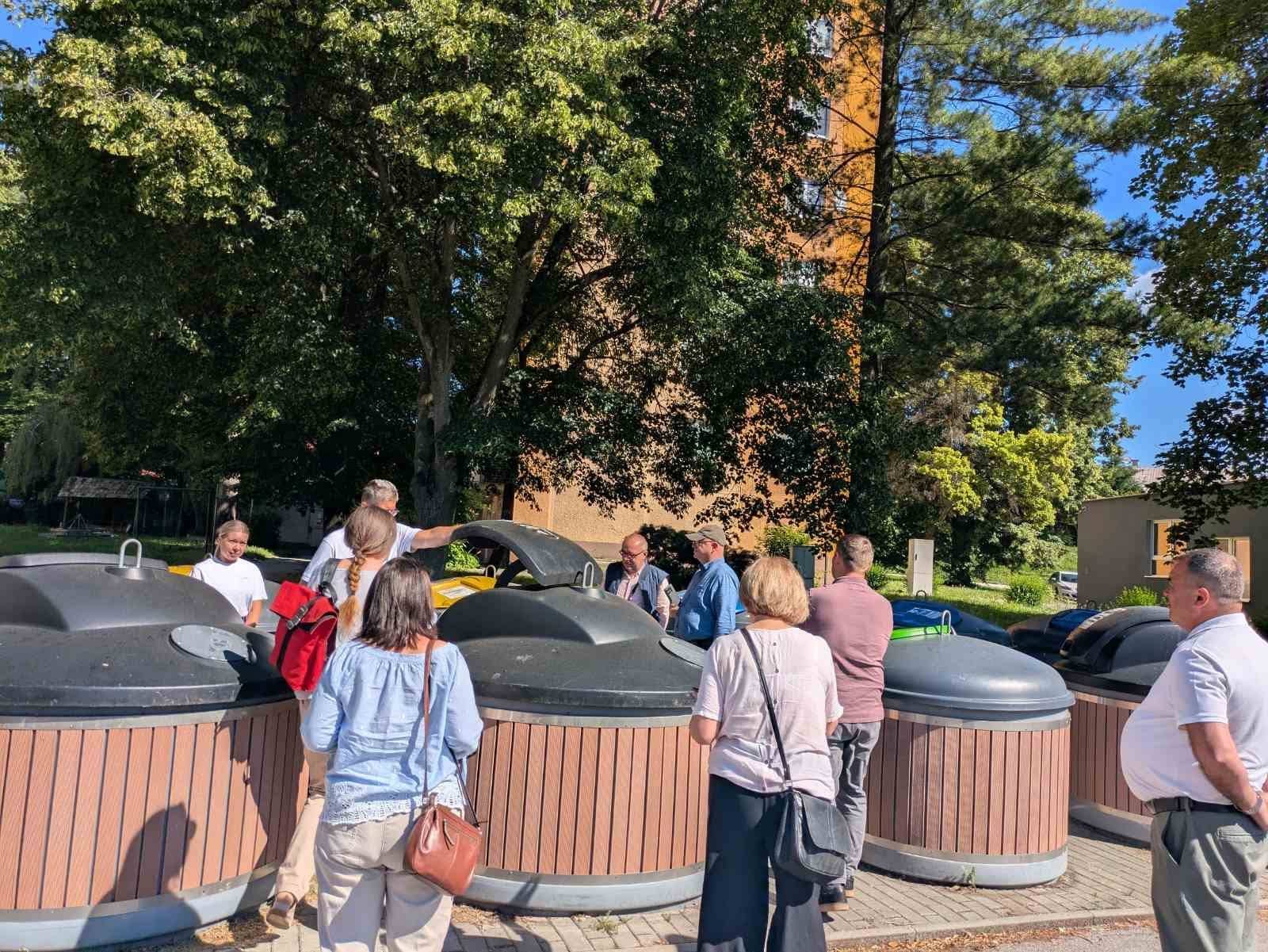
The final visit of the programme took place in the municipality of Košeca, which is well known in Slovakia for its achievements in waste management and for the methods it uses to encourage residents to sort waste responsibly.
Participants explored the local waste collection and sorting system, incentives for residents, the setting of local fees, communication with the public and the use of innovative waste management solutions.
The example of Košeca showed that infrastructure is only one component of an effective public service. Results also depend on clear rules, consistent communication and the active involvement of residents.
From Slovak Examples to Solutions for Moldovan Communities
The programme also included a working seminar during which participants reflected on the practices they had observed and discussed how these could be adapted to the Moldovan context.
Through group activities, participants developed practical proposals and measures for the communities they represent. The focus was not simply on replicating existing models, but also on understanding the conditions required for their successful application: cooperation between municipalities, effective planning, communication with citizens, civil society engagement and shared responsibility.
The visit also created a space for dialogue among representatives of MĂ IMPLIC partner communities. Participants were able to compare the challenges they face, exchange experiences and identify ideas that could be further developed at the local level.
Such exchanges contribute to strengthening the capacities of local authorities and organisations and to identifying practical solutions for more efficient public services, more active communities and stronger cooperation between citizens and local administrations.
The participation of four representatives in the study visit was financially supported by Switzerland through the MĂ IMPLIC Project, implemented by SKAT. The participation of the other eight members of the delegation was funded by ALDA.