Categories
All

Meeting of the Coordination Council of the “MĂ IMPLIC” Project (December 2024)

Meeting of the Coordination Council of the “MĂ IMPLIC” Project (December 2024)

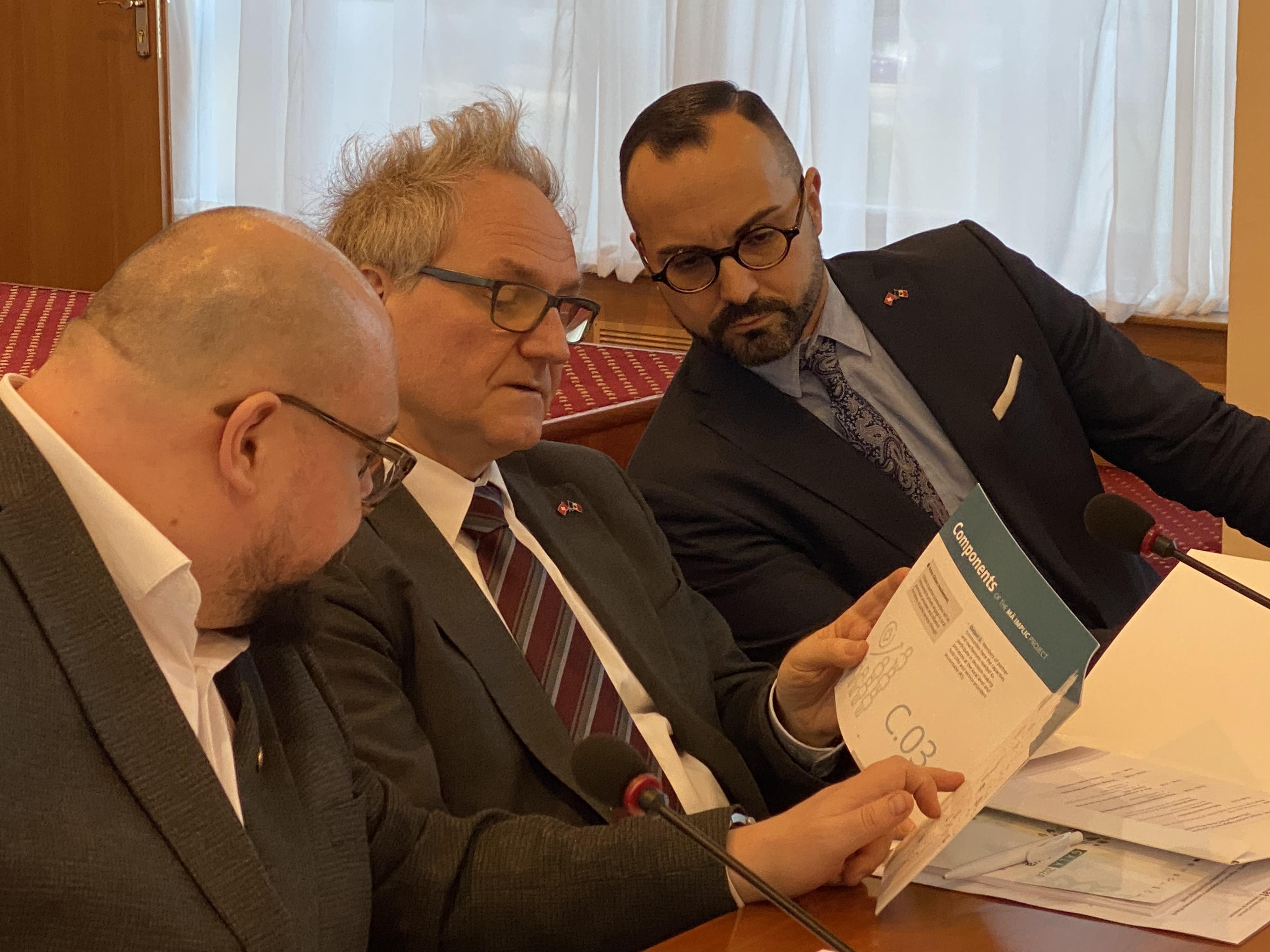
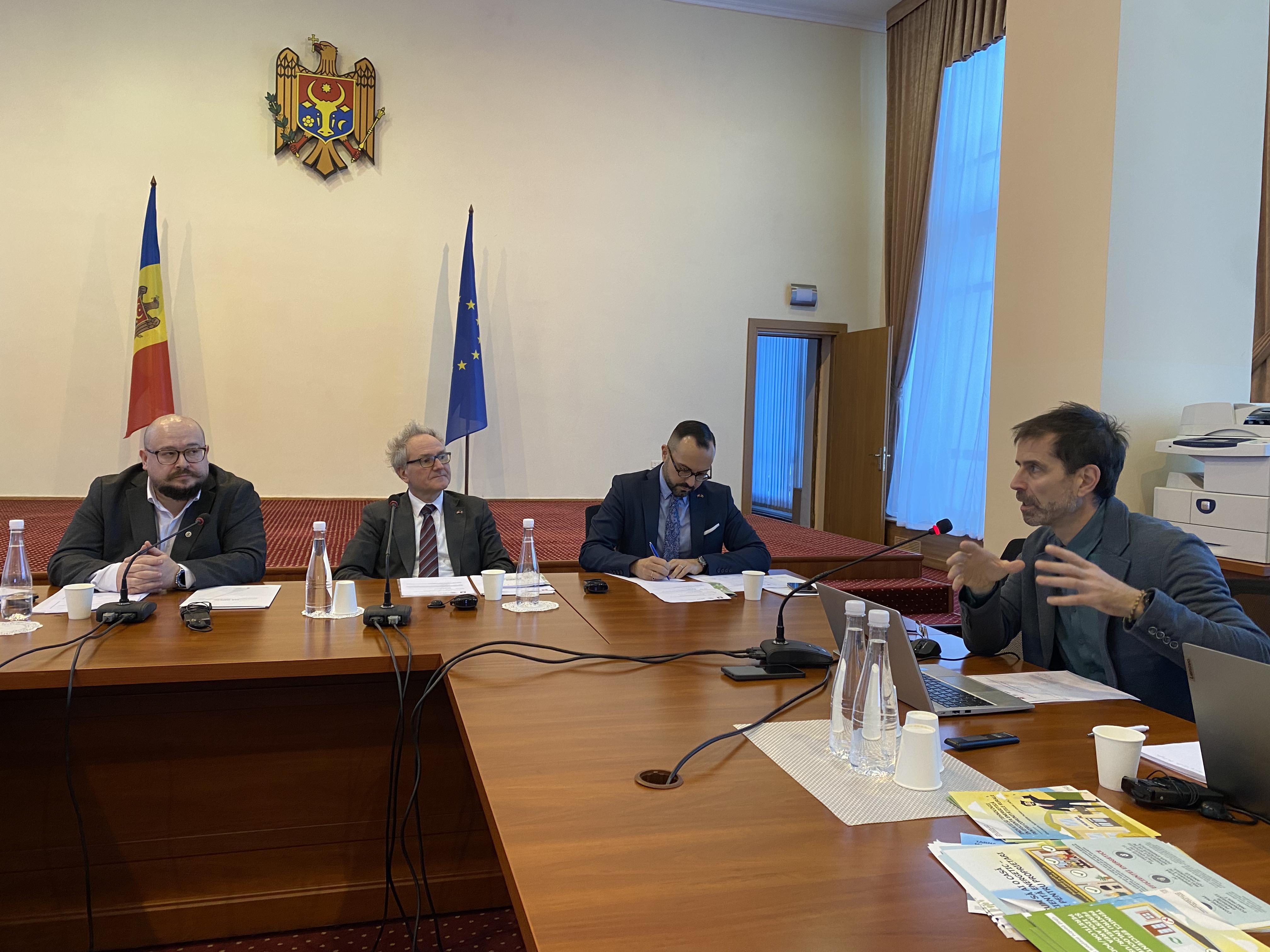
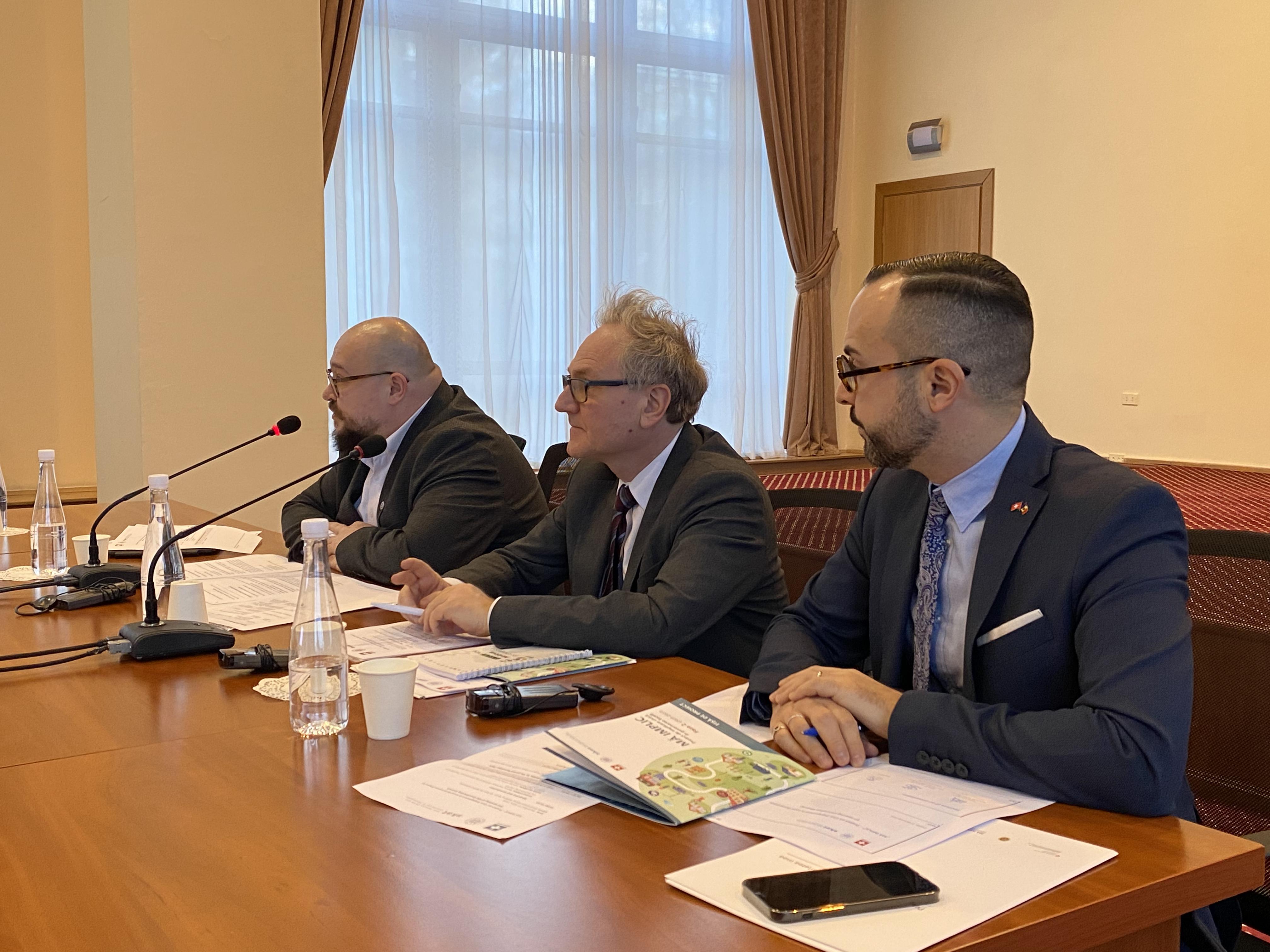
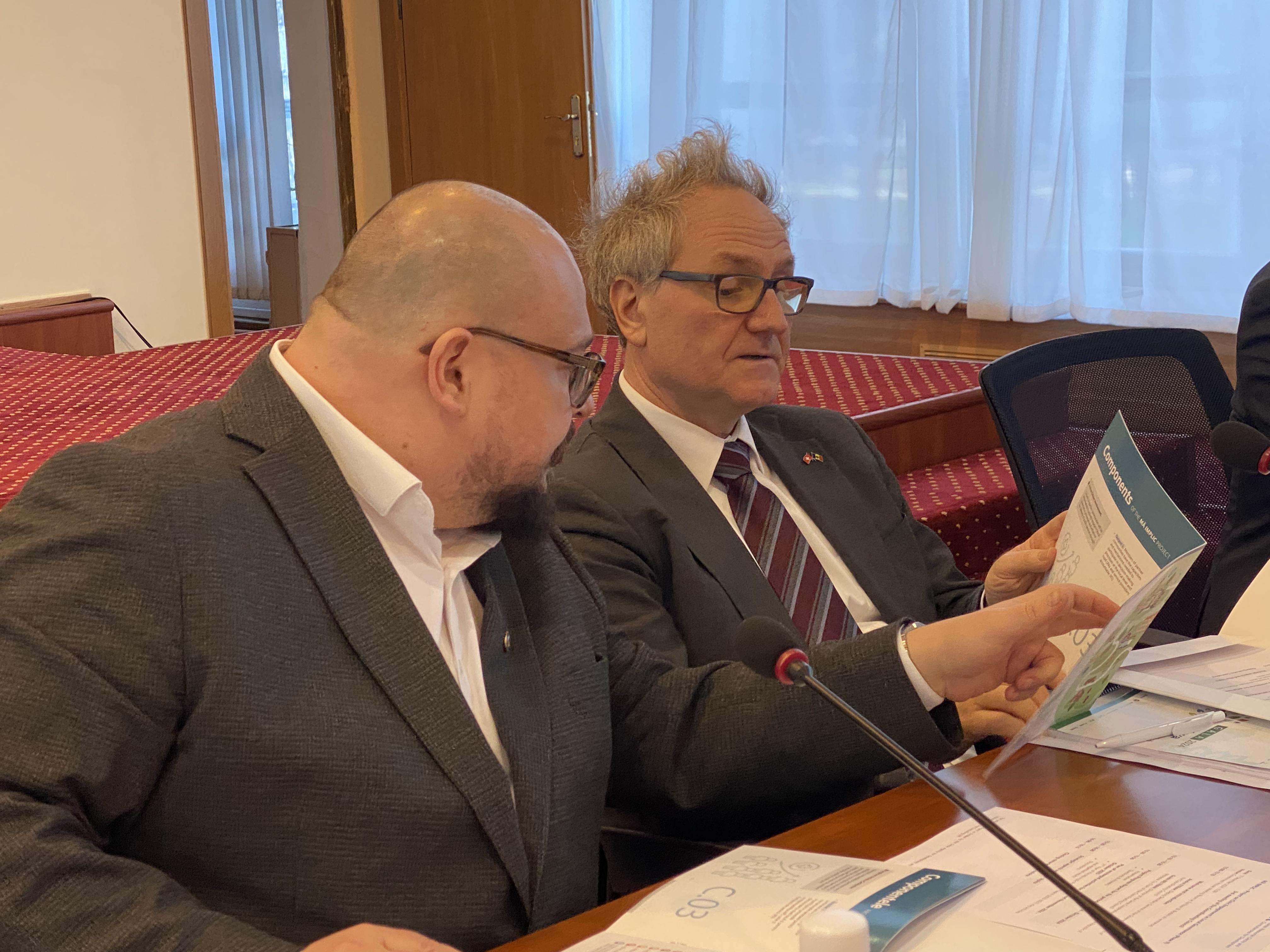
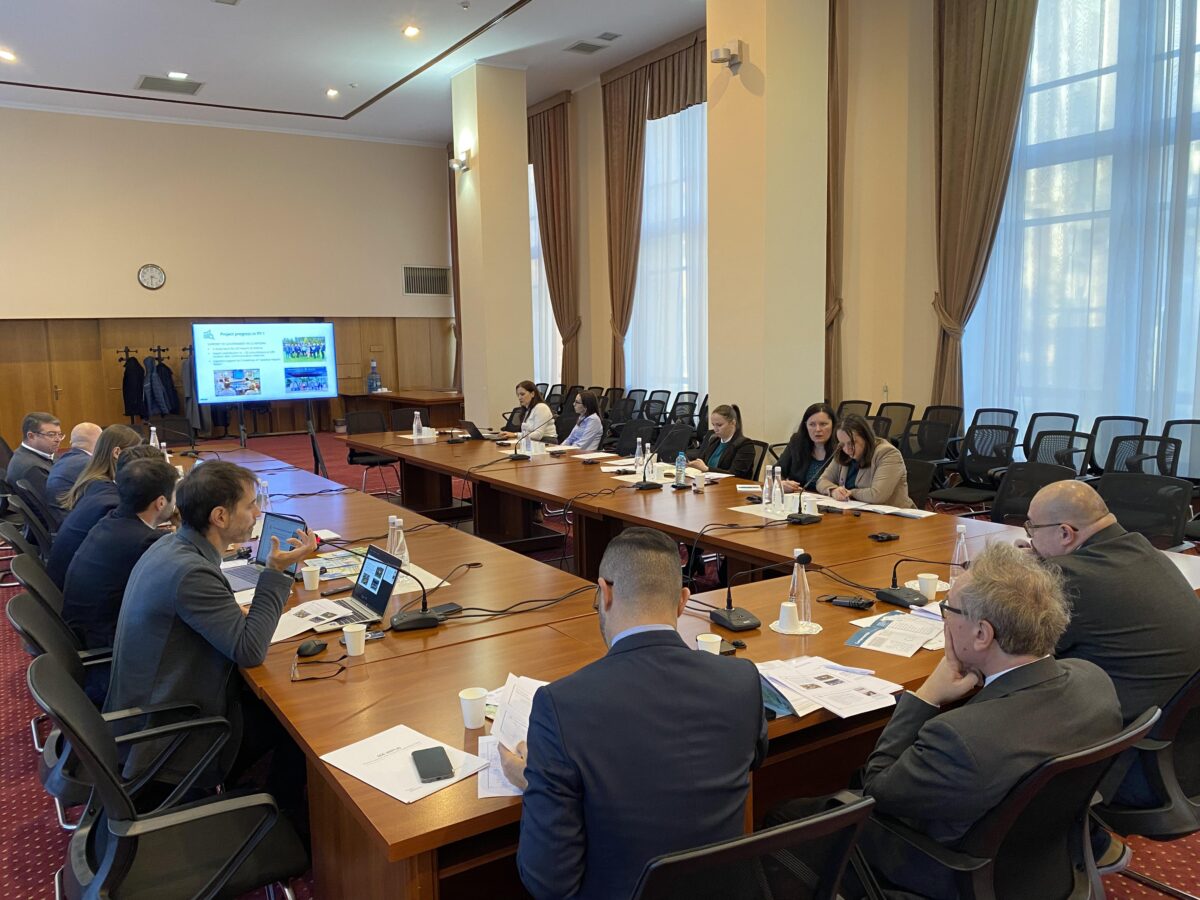
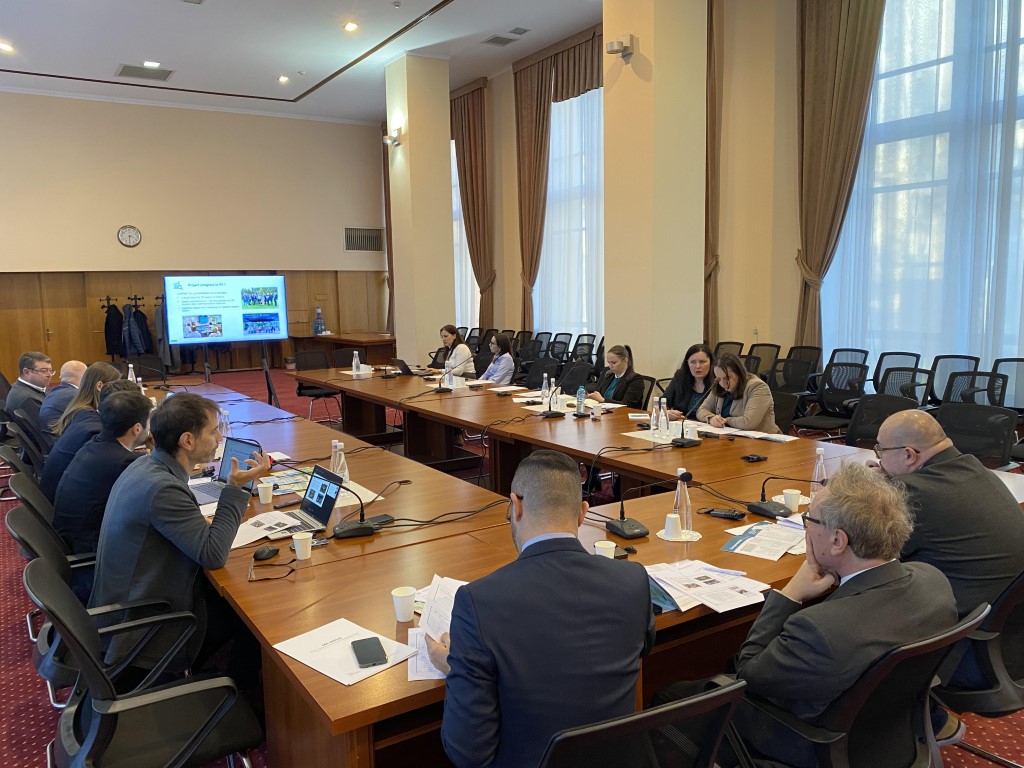
On Tuesday, December 17, 2024, representatives of the Government of the Republic of Moldova, the Swiss Agency for Development and Cooperation (SDC), and the “MĂ IMPLIC” Project convened the 9th meeting of the Coordination Council. They reviewed the progress achieved during 2024 and discussed plans for the coming period. The main topics focused on local public administration reform, improving public services, and energy efficiency initiatives.

Mr. Andrei Strah, Deputy Secretary General of the Government and Chairman of the Coordination Council, opened the session by stating: “Phase II of the ‘MĂ IMPLIC’ Project is fully in line with the Strategy for Local Public Administration Reform, already showing visible results in strengthening the capacity of authorities, promoting joint delivery of public services, and improving communication between Local Public Administrations (LPAs) and service providers.”

According to Mr. Strah, 14 groups of LPAs have already signed partnership agreements, and four of them are exploring voluntary amalgamation. He also highlighted two study visits to Estonia organized for 20 mayors, of whom 19 remain interested in initiating amalgamation processes in their communities: “Estonia’s experience is relevant for the Republic of Moldova, given that we are at the early stage of local reform. We highly appreciate the support provided by the ‘MĂ IMPLIC’ Project.”
Mr. Guido Beltrani, Director of the Swiss Cooperation Office in Moldova (SDC) and Co-Chair of the Coordination Council, emphasized the project’s participatory approach: “‘MĂ IMPLIC’ creates strong links between national and local levels, providing a conducive framework for exchanging best practices and feedback. Voluntary amalgamation and inter-community cooperation foster social cohesion and are perfectly aligned with Switzerland’s priorities.”

He also underscored the importance of infrastructure investments, such as modernizing water systems and increasing energy efficiency: “The main objective remains improving local governance, but it is essential to deliver tangible benefits to communities through concrete projects.”

 

Mr. Matthias Morgner, Team Leader of the “MĂ IMPLIC” Project, presented recent activities at both local and national levels, as well as the collaboration with central institutions. Key components of the project include:


Voluntary Amalgamation and Capacity Development

    • Partnership agreements signed with 14 groups of LPAs.
    • Implementation of FOCAS* to assess local administrations’ capacity and develop a capacity-building plan.
    • Development of Public Service Improvement Plans (SIPs) in 13 out of the 14 LPA groups, including infrastructure investments, regulatory measures for joint service provision, citizen engagement, and service operator optimization.

Capacity Development Program

    • Eight modules focused on identified priorities (digital literacy, integrity, anti-corruption, revenue collection, institutional development, joint service provision, project management, citizen engagement, and communication).
    • Peer-learning initiatives, on-site consultations, and mentoring to ensure continuous progress among LPAs.

Coordinating Efforts with Other Stakeholders

    • Several field visits and individual consultations with LPAs interested in or already pursuing amalgamation, in partnership with the State Chancellery and other projects, providing legal expertise and communication support.
    • The “Pro-Amalgamation Mayors Forum” – two editions that brought together mayors open to voluntary amalgamation.
  •  

Mr. Morgner noted that since July 2023, the project has launched a new component dedicated to energy efficiency, ending on December 31, 2024. Mr. Jesus Bravo, Manager of the energy efficiency component, reported at least a 30% reduction in energy consumption in eight public buildings where energy-efficiency measures had been implemented, along with the installation of photovoltaic panels in ten public institutions:

“We have carried out energy-efficiency measures in 400 households, and a communication campaign helped educate residents about best practices in this field,” he said, adding that the program will continue in the next year of the project.

Further, Mr. Morgner outlined the objectives for the Project’s next year of activity:

  • Finalizing and approving the Public Service Improvement Plans (SIPs) for at least 10 LPA groups, followed by signing grant agreements and initiating procurement.
  • Continuing national-level assistance for localities interested in voluntary amalgamation.
  • Developing water supply projects and extending energy-efficiency initiatives, including potential biomass briquette production.
  • Assessing the readiness of partner LPAs for potential emergencies to ensure that social services can remain operational.

“Sustainability is key. We encourage LPAs to build on the experience from the first phase and from the initial energy-efficiency component,”  Mr. Morgner emphasized.

Participants at the meeting validated the activity report and the plans for the coming year. According to Mr. Andrei Strah:

“We will hold a dedicated session at the begining of the 2025 to delve deeper into the remaining open issues. It’s crucial to coordinate each LPA group’s plans to maximize impact and improve public services at the local level.”

In turn, Mr. Guido Beltrani encouraged speeding up the development of SIPs to avoid congestion at the end of the project and to bolster coordination with other funding initiatives: “Revamping and modernizing local administration is a long-term process, but tangible results boost communities’ trust and motivation.”

Through the activities carried out so far, the “MĂ IMPLIC” Project demonstrates that an efficient local public administration reform, supported by modern public services and energy efficiency initiatives, creates consistent opportunities for local development and the well-being of citizens.

The “MĂ IMPLIC” Project aims to contribute to strengthening local governance and improving access to quality public services for the citizens of the Republic of Moldova. Phase 2 of the project (2023–2027), with a total budget of CHF 6,960,144, is funded by the Swiss Agency for Development and Cooperation (SDC) and implemented by Skat Consulting (Switzerland).

#MaImplicProject #SkatConsulting #SwissCooperation #Elvetia
#LocalGovernance #CommunityEngagement #EnergyEfficiency

* FOCAS – is a self-assessment tool designed to analyze the organizational and functional capacity of Local Public Administrations (LPAs), structured by functions/capacities, based on a well-defined scoring system. The tool was developed by the USAID “My Community” Program.

Categories
All

Visit of Skat Consulting’s CEO, Ms. Rupa Mukerji, to the Republic of Moldova

Visit of Skat Consulting's CEO, Ms. Rupa Mukerji, to the Republic of Moldova

We had the privilege of welcoming SKAT Consulting’s new CEO, Ms. Rupa Mukerji, to Moldova from December 2nd to 6th. During her visit, Ms. Mukerji held fruitful discussions with key stakeholders, including the Swiss Agency for Development and Cooperation (SDC), the National Centre for Sustainable Energy (CNED), as well as local partners involved in SKAT-

We had the privilege of welcoming SKAT Consulting’s new CEO, Ms. Rupa Mukerji, to Moldova from December 2nd to 6th. During her visit, Ms. Mukerji held fruitful discussions with key stakeholders, including the Swiss Agency for Development and Cooperation (SDC), the National Centre for Sustainable Energy (CNED), as well as local partners involved in SKAT-implemented projects such as MĂ IMPLIC, APASAN+, and had a meeting with ADA (Austrian Development Agency).

Throughout the week, Ms. Mukerji visited communities in Floresti, Prodănești, Vorniceni, and Lozova, where she had the opportunity to meet with partner LPAs and community representatives. These communities are benefiting or have benefited from important initiatives under the MĂ IMPLIC and APASAN+ projects, focused on enhancing municipal services and improving environmental sustainability. Ms. Rupa Mukerji also learned more about the EnEff component of the MĂ IMPLIC Project, which aims to boost energy efficiency in public buildings.

It was a great moment for Ms. Mukerji to meet the SKAT Consulting Moldova team, strengthening internal connections and further aligning with our shared development goals.

The visit provided an invaluable opportunity to see firsthand the positive impact of these projects, with discussions centered around their progress and future collaboration to further strengthen Moldova’s sustainability and community development.  

We are grateful for Ms. Mukerji’s visit and look forward to the continued success of our joint efforts in Moldova. 

We remind that, the MĂ IMPLIC Project is managed by Skat Consulting Ltd (SKAT), a Swiss consulting company with extensive experience in development and humanitarian aid in transition and  developing countries. With a history of nearly four decades, SKAT has established itself as a leader in providing technical and managerial expertise, facilitating the design and implementation of successful projects in over 100 countries.

The core mission of SKAT is to reduce the socioeconomic gap by promoting sustainable living practices and improving the living conditions of marginalized communities. SKAT’s areas of expertise include essential municipal services such as water supply, sanitation and solid waste management, road infrastructure, construction, energy efficiency, and climate resilience. 

In Moldova, SKAT has a proven track record, having led the implementation of the Swiss Water and Sanitation Project (ApaSan), funded by the Swiss Agency for Development and Cooperation (SDC). Currently, SKAT is actively involved in implementing the EnEff activity (Energy Efficiency in Moldova’s Villages), as part
of the MĂ IMPLIC Project. This initiative aims to support selected communities in improving energy efficiency in both public buildings and private homes, fostering the implementation of solutions to enhance comfort and reduce energy consumption. Beyond Moldova, SKAT also oversees the DESPRO Decentralization Support
Project in Ukraine, again with funding from SDC, further emphasizing its commitment to driving sustainable development and decentralization in the region.