
Categories
All

Visit of Skat Consulting’s CEO, Ms. Rupa Mukerji, to the Republic of Moldova

Visit of Skat Consulting's CEO, Ms. Rupa Mukerji, to the Republic of Moldova

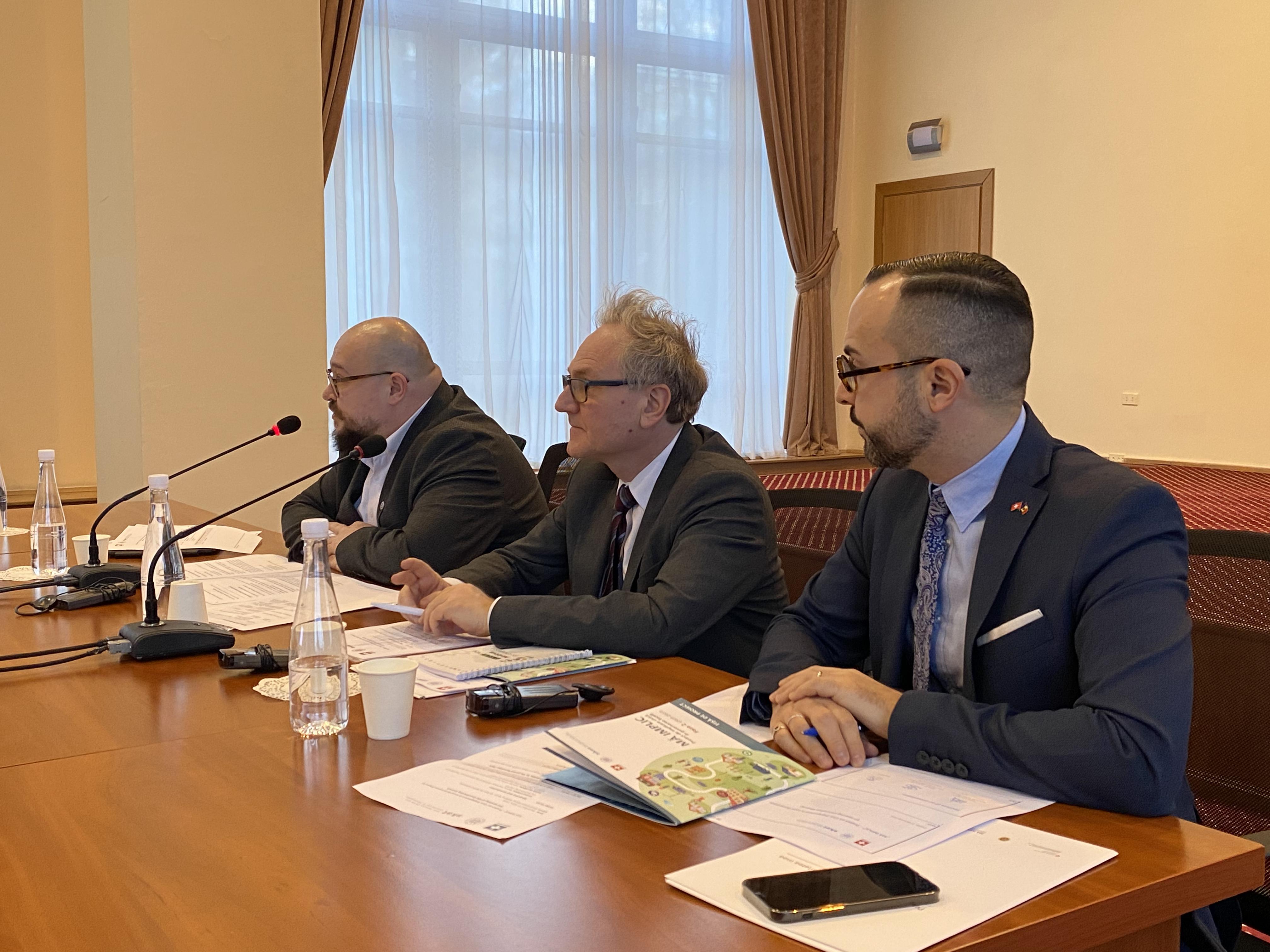
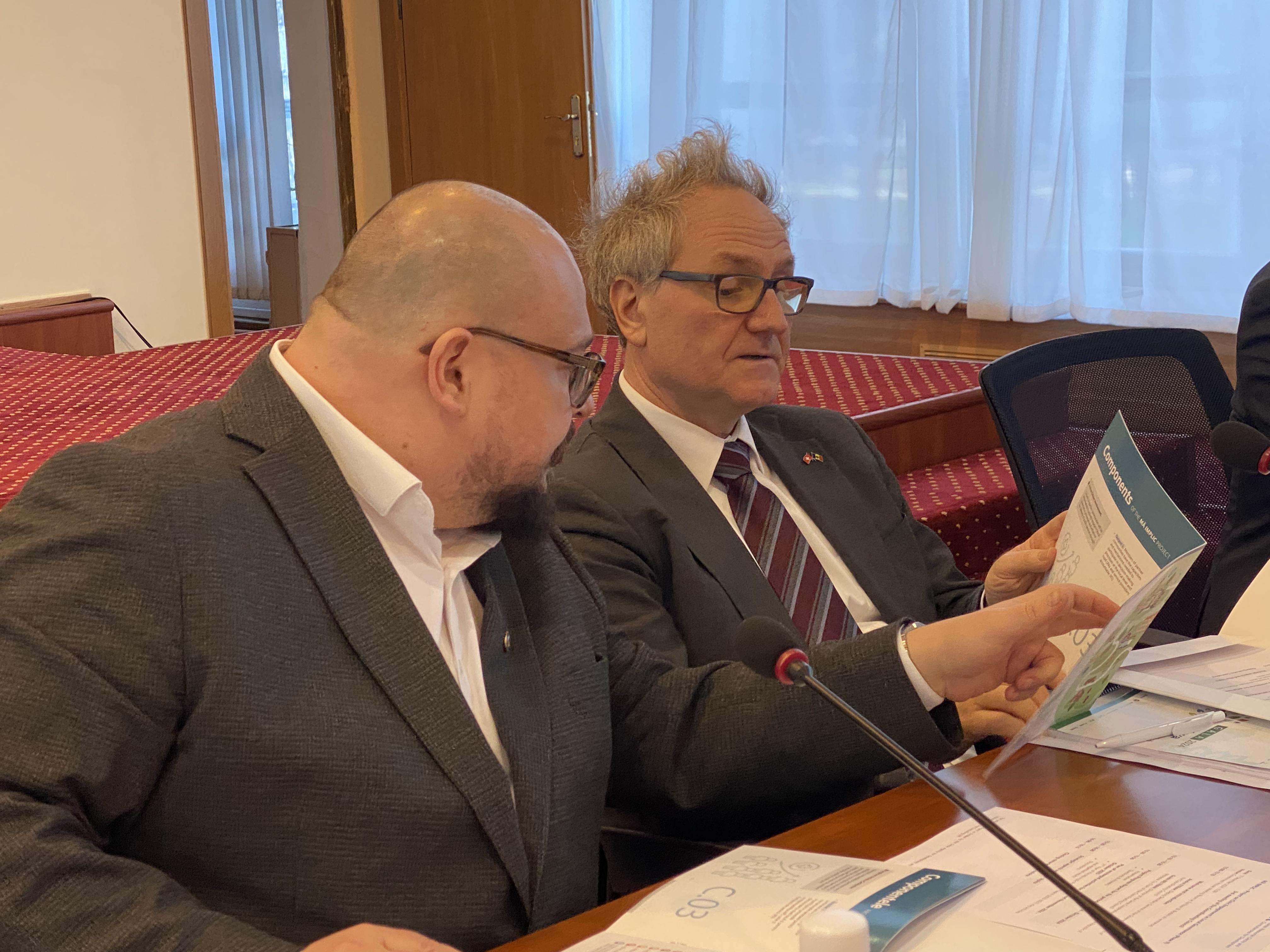
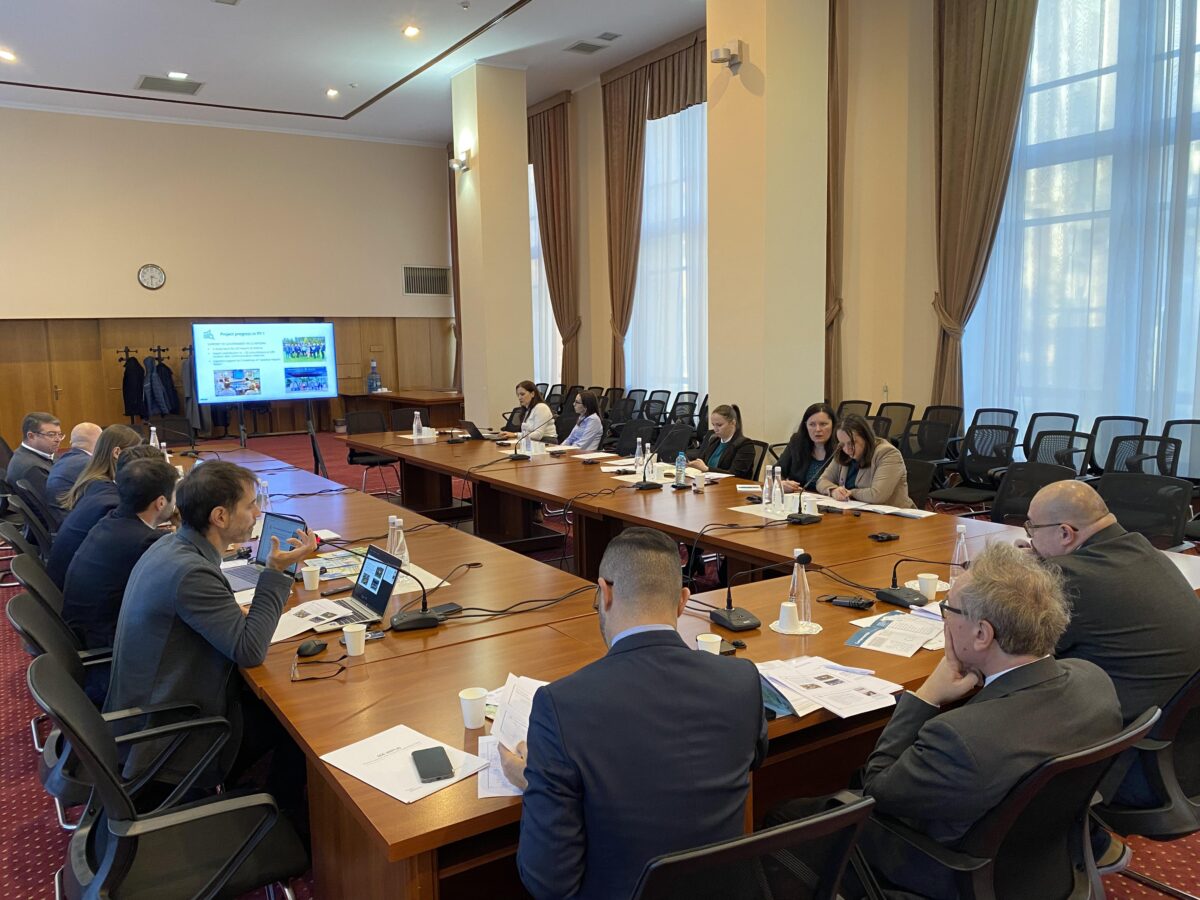
We had the privilege of welcoming SKAT Consulting’s new CEO, Ms. Rupa Mukerji, to Moldova from December 2nd to 6th. During her visit, Ms. Mukerji held fruitful discussions with key stakeholders, including the Swiss Agency for Development and Cooperation (SDC), the National Centre for Sustainable Energy (CNED), as well as local partners involved in SKAT-

We had the privilege of welcoming SKAT Consulting’s new CEO, Ms. Rupa Mukerji, to Moldova from December 2nd to 6th. During her visit, Ms. Mukerji held fruitful discussions with key stakeholders, including the Swiss Agency for Development and Cooperation (SDC), the National Centre for Sustainable Energy (CNED), as well as local partners involved in SKAT-implemented projects such as MĂ IMPLIC, APASAN+, and had a meeting with ADA (Austrian Development Agency).

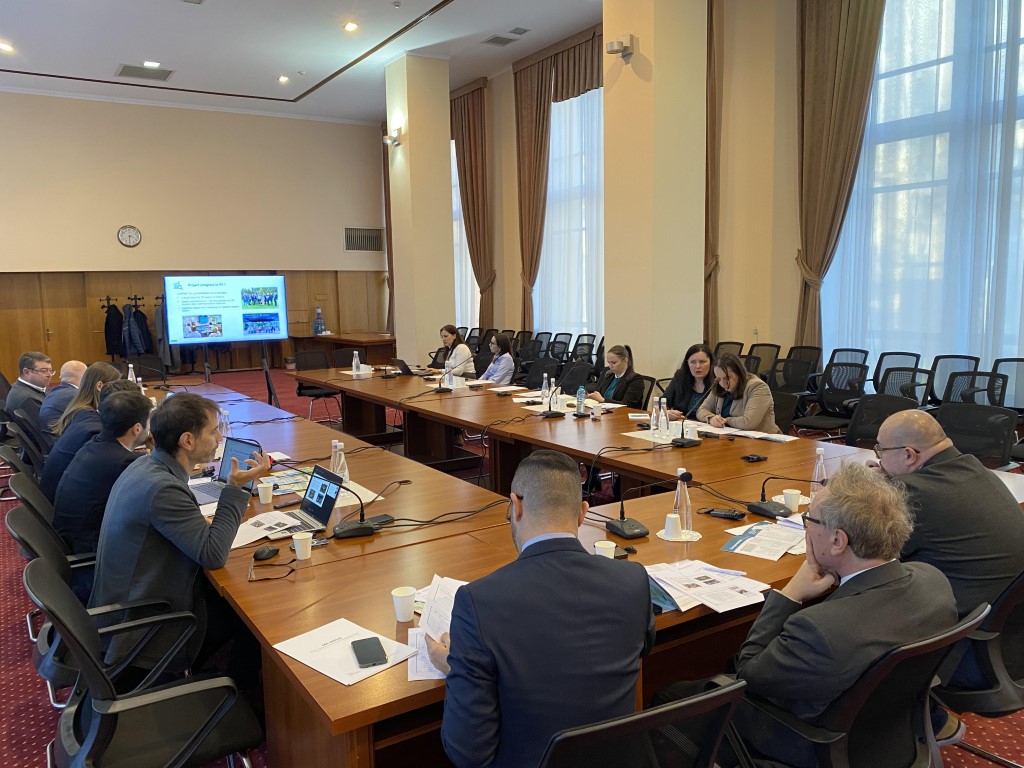
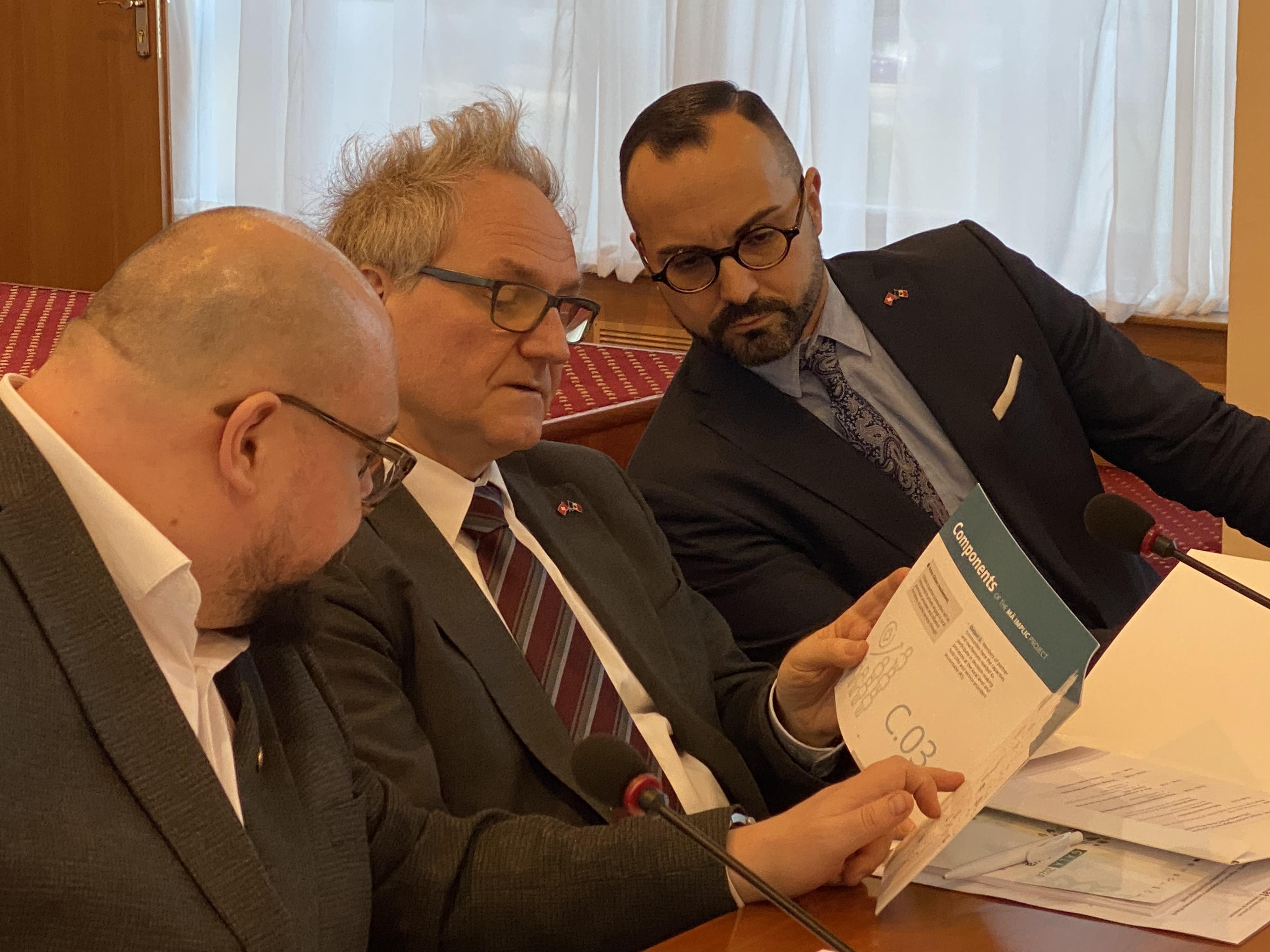
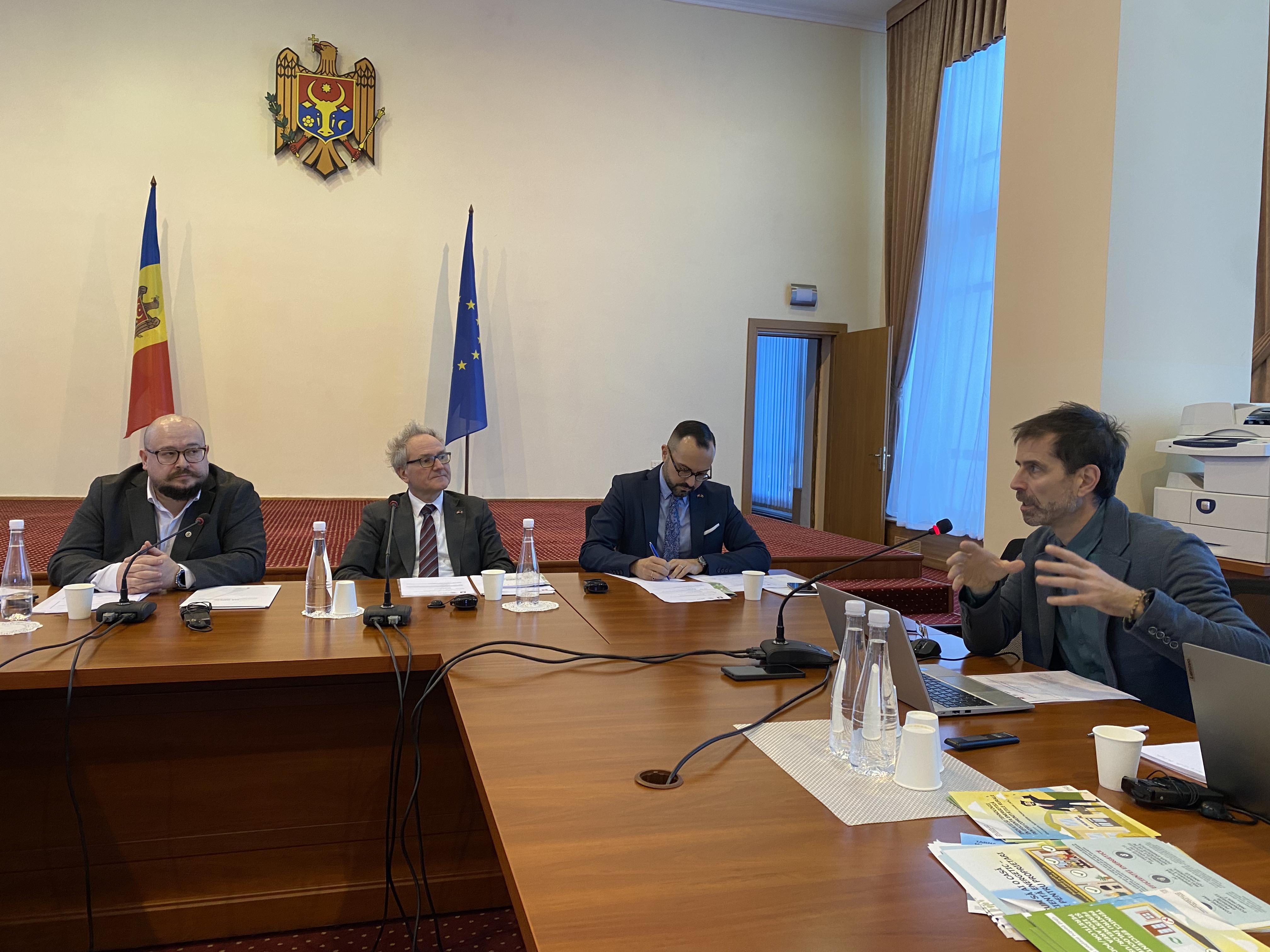
Throughout the week, Ms. Mukerji visited communities in Floresti, Prodănești, Vorniceni, and Lozova, where she had the opportunity to meet with partner LPAs and community representatives. These communities are benefiting or have benefited from important initiatives under the MĂ IMPLIC and APASAN+ projects, focused on enhancing municipal services and improving environmental sustainability. Ms. Rupa Mukerji also learned more about the EnEff component of the MĂ IMPLIC Project, which aims to boost energy efficiency in public buildings.

It was a great moment for Ms. Mukerji to meet the SKAT Consulting Moldova team, strengthening internal connections and further aligning with our shared development goals.

The visit provided an invaluable opportunity to see firsthand the positive impact of these projects, with discussions centered around their progress and future collaboration to further strengthen Moldova’s sustainability and community development.  

We are grateful for Ms. Mukerji’s visit and look forward to the continued success of our joint efforts in Moldova. 

We remind that, the MĂ IMPLIC Project is managed by Skat Consulting Ltd (SKAT), a Swiss consulting company with extensive experience in development and humanitarian aid in transition and  developing countries. With a history of nearly four decades, SKAT has established itself as a leader in providing technical and managerial expertise, facilitating the design and implementation of successful projects in over 100 countries.

The core mission of SKAT is to reduce the socioeconomic gap by promoting sustainable living practices and improving the living conditions of marginalized communities. SKAT’s areas of expertise include essential municipal services such as water supply, sanitation and solid waste management, road infrastructure, construction, energy efficiency, and climate resilience. 

In Moldova, SKAT has a proven track record, having led the implementation of the Swiss Water and Sanitation Project (ApaSan), funded by the Swiss Agency for Development and Cooperation (SDC). Currently, SKAT is actively involved in implementing the EnEff activity (Energy Efficiency in Moldova’s Villages), as part
of the MĂ IMPLIC Project. This initiative aims to support selected communities in improving energy efficiency in both public buildings and private homes, fostering the implementation of solutions to enhance comfort and reduce energy consumption. Beyond Moldova, SKAT also oversees the DESPRO Decentralization Support
Project in Ukraine, again with funding from SDC, further emphasizing its commitment to driving sustainable development and decentralization in the region.

Categories
All Energy Efficiency

How renewable energy sources can contribute to energy efficiency in public institutions and private households

How renewable energy sources can contribute to energy efficiency in public institutions and private households

The lack of energy security in a country can lead to economic instability and negatively impact social development. The Republic of Moldova, heavily reliant on energy imports, must diversify its energy sources to ensure a sustainable future. Investments in renewable energy are the optimal solution to reduce energy vulnerabilities and stimulate economic growth.

Drawing from his professional experience managing over 320 heating plants in public institutions, Valeriu Chiciuc, a national consultant in the use of thermal energy from solid biofuels, encourages homeowners and public institution directors to implement renewable energy solutions.

“For us, it is crucial to utilize renewable energy resources. First and foremost, solar energy, which is free, non-polluting, and highly beneficial for implementing solar systems for domestic hot water production and photovoltaic installations for electricity generation. The second source is biomass potential. The third is wind energy installations. We also have solutions involving biogas potential, which is still in its early stages in the Republic of Moldova,” he explains.

A team of specialists from abroad and Moldova analyzed the potential of solid biofuel sources across all regions of the country. They found that every area has the capacity to install such systems. Chiciuc emphasized that inefficient stoves and systems could be replaced with solid biofuel boilers.

“As firewood becomes scarcer in the southern region, an ingenious solution is to use plant residues to produce fuel. This eco-friendly fuel can be used in special stoves that are more efficient and cleaner than traditional ones. Additionally, depending on the area, the type of boiler was also analyzed. Biomass boilers are the second energy source for those who own gas-fired heating systems,” he added.

Moldova benefits from partner-funded projects for designing and acquiring high-efficiency biomass boilers. However, over 370 public institutions in Moldova still rely on stoves, including 49 kindergartens.

When investing in the installation of a biomass boiler, the investment is long-term, contributing to cost savings. Why? Because these boilers produce heat much more cheaply than traditional stoves.

Chiciuc highlights that a homeowner should know how to calculate the capacity of the boiler heating the house, how, and where to position this system. The current state of the house is also crucial, and the dedicated room for the boiler must meet fire safety requirements and be well-ventilated.

Energy efficiency in a home starts with the owner. If the owner aims to implement the necessary measures, they can reap numerous long-term benefits. By investing in thermal insulation, efficient heating systems, and renewable energy sources, the homeowner significantly reduces energy costs, protects the environment, increases property value, and improves home comfort for the entire family.

Whether you’re a homeowner, craftsman, or local mayor, the “MĂ IMPLIC” project’s Energy Efficiency component offers a range of free informational materials (guides, leaflets, brochures) with practical recommendations for improving energy efficiency in homes. These resources are available to citizens, technicians, and local public administration representatives, providing clear and accessible solutions to reduce resource consumption and improve thermal comfort year-round. All materials can be downloaded from the website – www.ma-implic.md/eneff.

The campaign to raise awareness about the importance of energy efficiency in rural areas of Moldova is implemented through the “MĂ IMPLIC” project by Skat Consulting and the National Center for Sustainable Energy (CNED), with support from the Swiss Government.