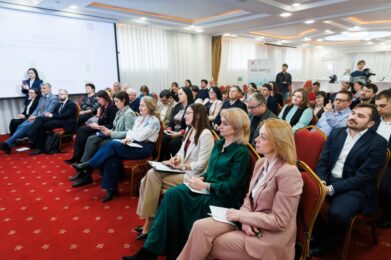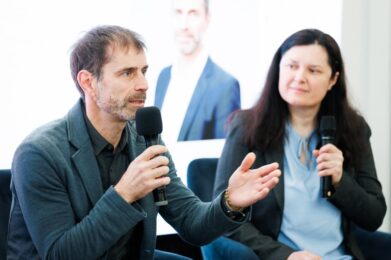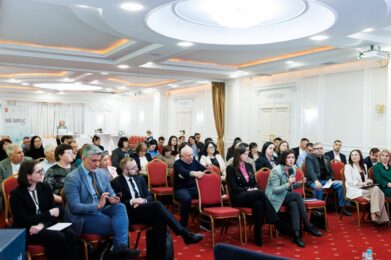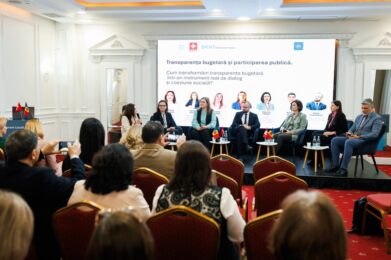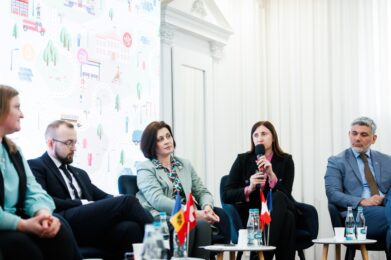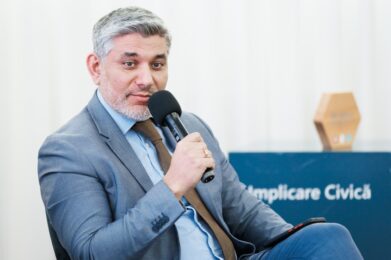


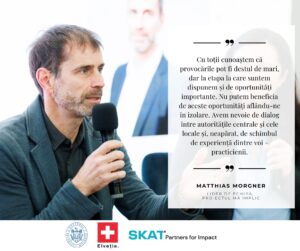
 Matthias Morgner, Team Leader of the MĂ IMPLIC Project, highlighted the value of experience exchange in local development processes. “We all know that challenges can be quite significant, but at the stage we are now, we also have important opportunities. We cannot benefit from these opportunities if we remain isolated. We need dialogue between central and local authorities, and today this dialogue is taking place. We need the contribution of experts who work daily in this field. But most importantly, we also need the exchange of experience among you, the practitioners.”
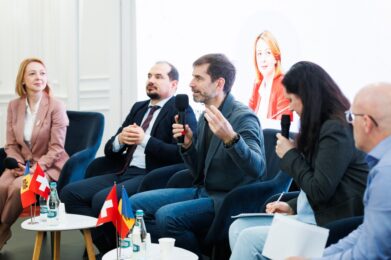
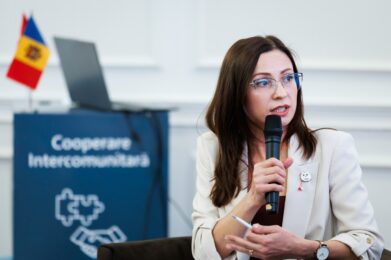
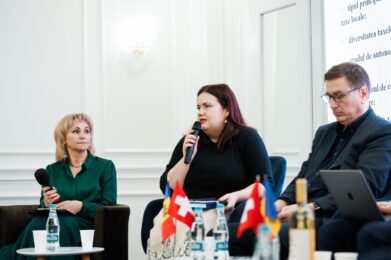
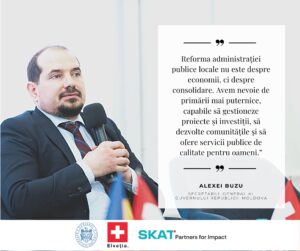 Present at the opening panel titled “Dialogue on public participation as a tool for social cohesion”, Mr. Alexei Buzu, Secretary General of the Government, spoke about the role of public administration reform in strengthening territorial and social cohesion, by reducing development disparities between communities, increasing citizens’ trust in institutions, and improving access to quality public services. He also mentioned that many local administrations operate with small teams and limited resources, and their own revenues account for only 11% of local budgets, which limits their capacity to adequately respond to community needs. “We understand that at the local level, when administrative boundaries are disturbed, social cohesion suffers. The reform of local public administration is not about savings, but about consolidation. We need stronger municipalities, capable of managing projects and investments, developing communities, and providing quality public services for people.”
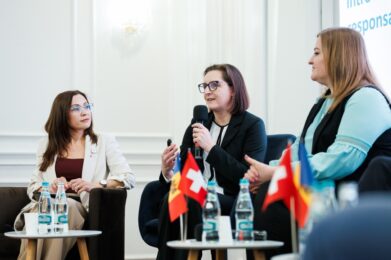
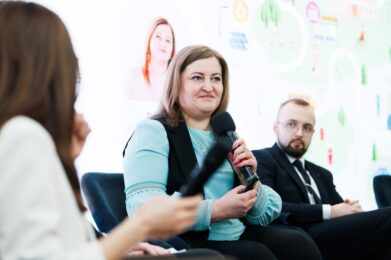
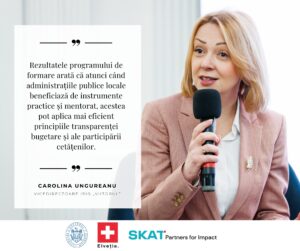 In turn, Carolina Ungureanu, Deputy Director of IDIS “Viitorul”, emphasized that budget transparency and efficient management of local revenues are essential elements for strengthening trust between local public authorities and citizens. “The results of the training programme show that when local public administrations benefit from practical tools and mentorship, they can more effectively apply the principles of budget transparency and citizen participation. Evaluations conducted after the trainings indicate a significant increase in the level of knowledge: over 96% of participants assessed their competencies as good or very good after the training, compared to 45% before the programme.”.