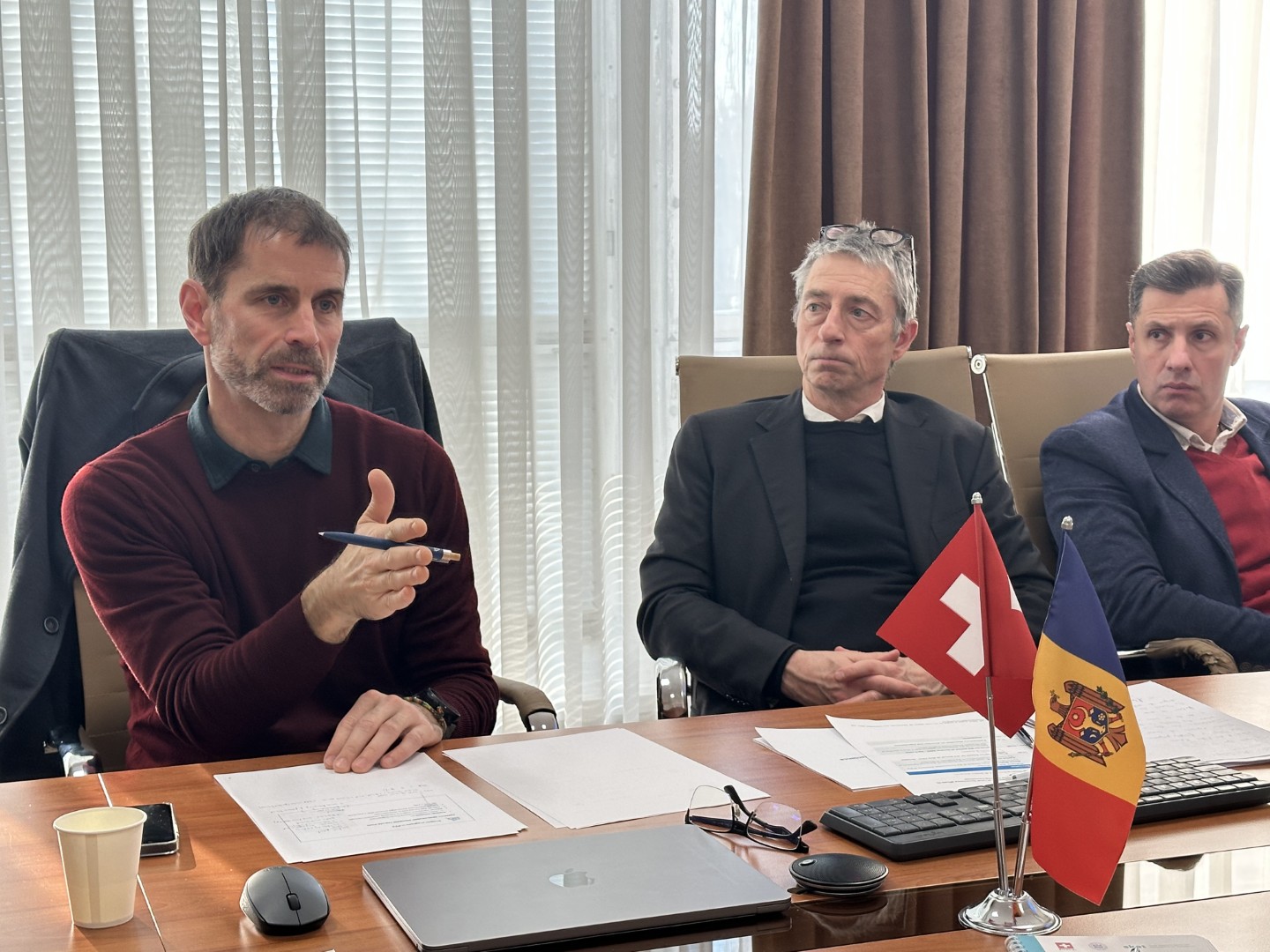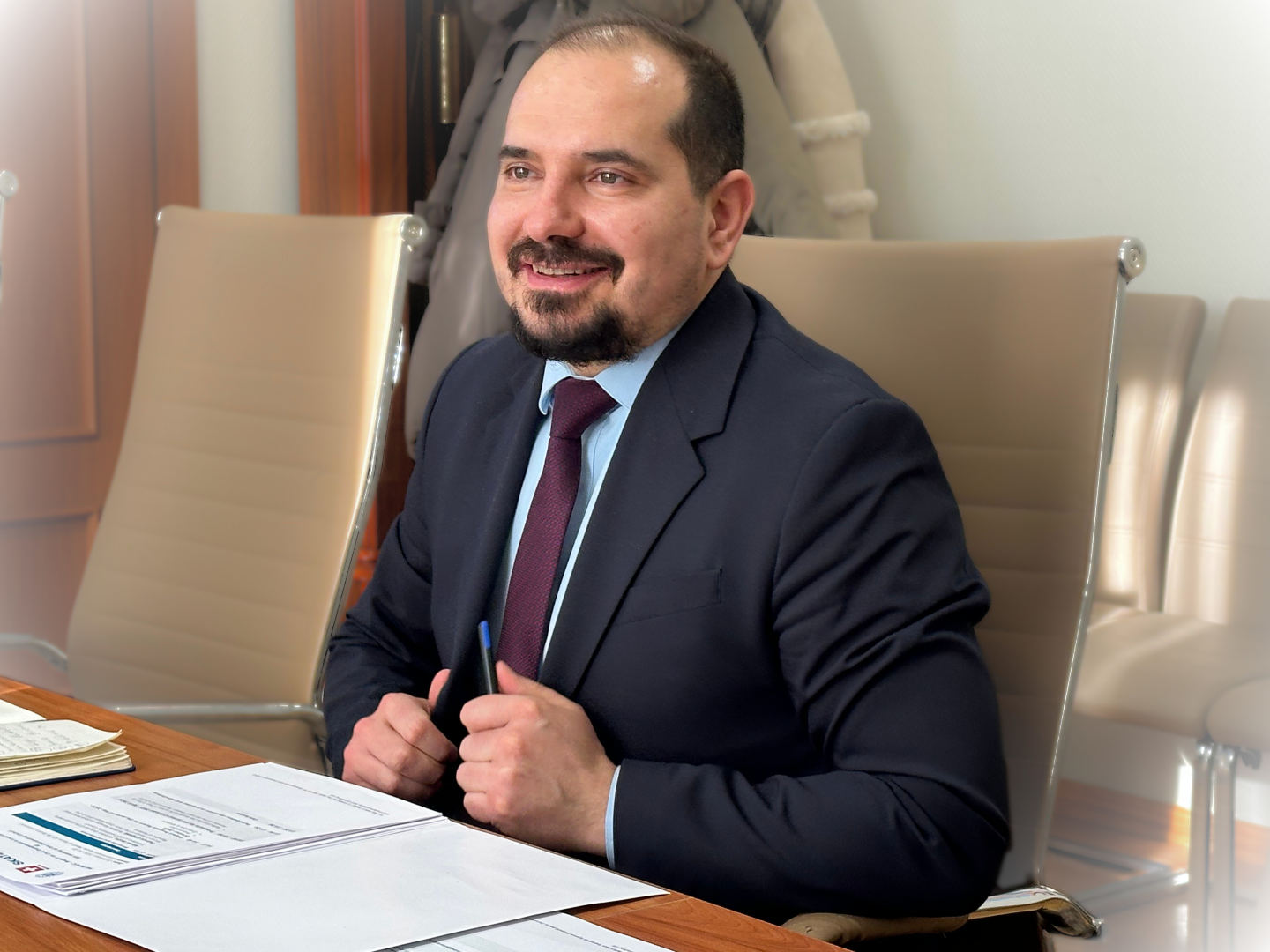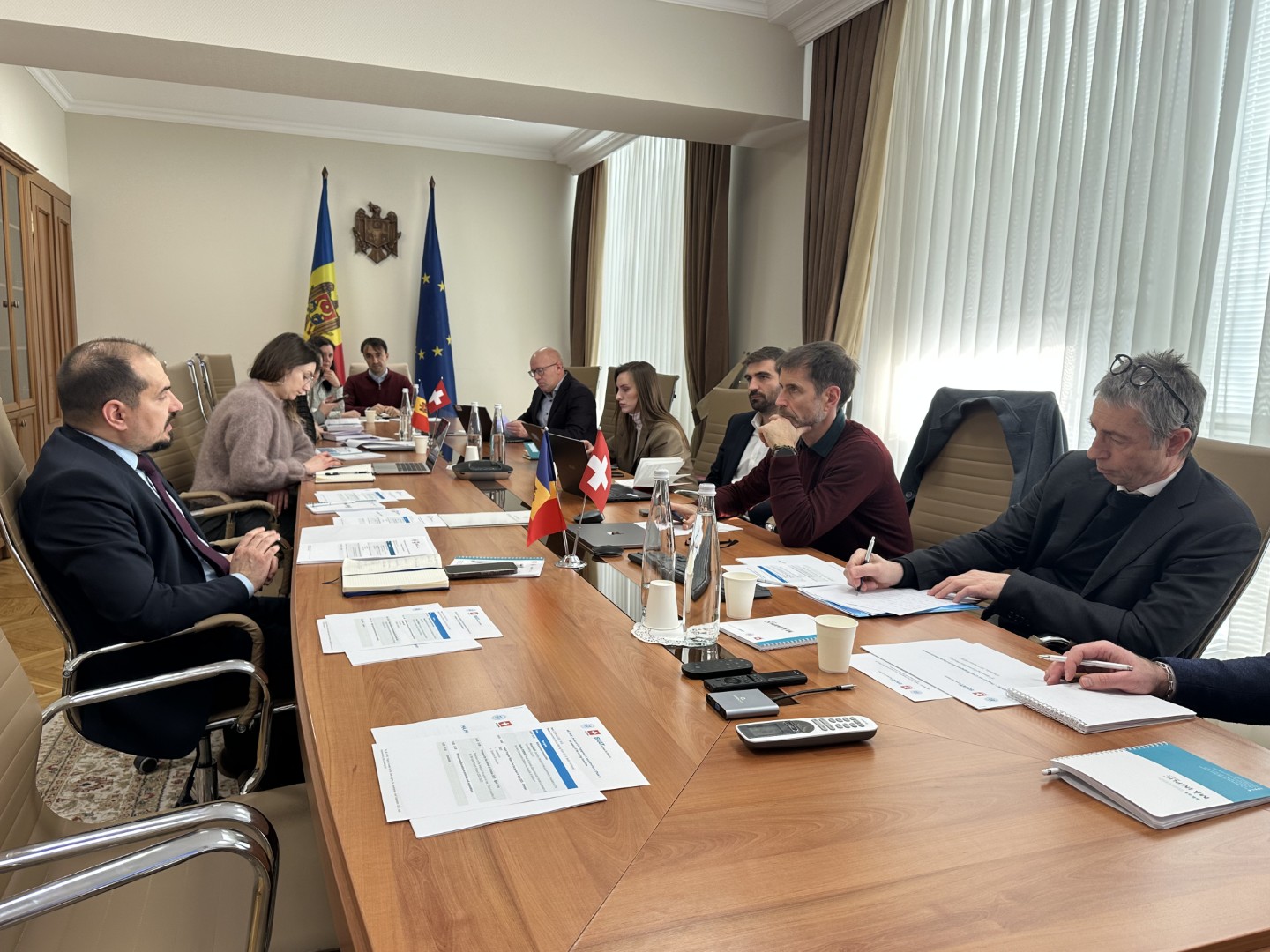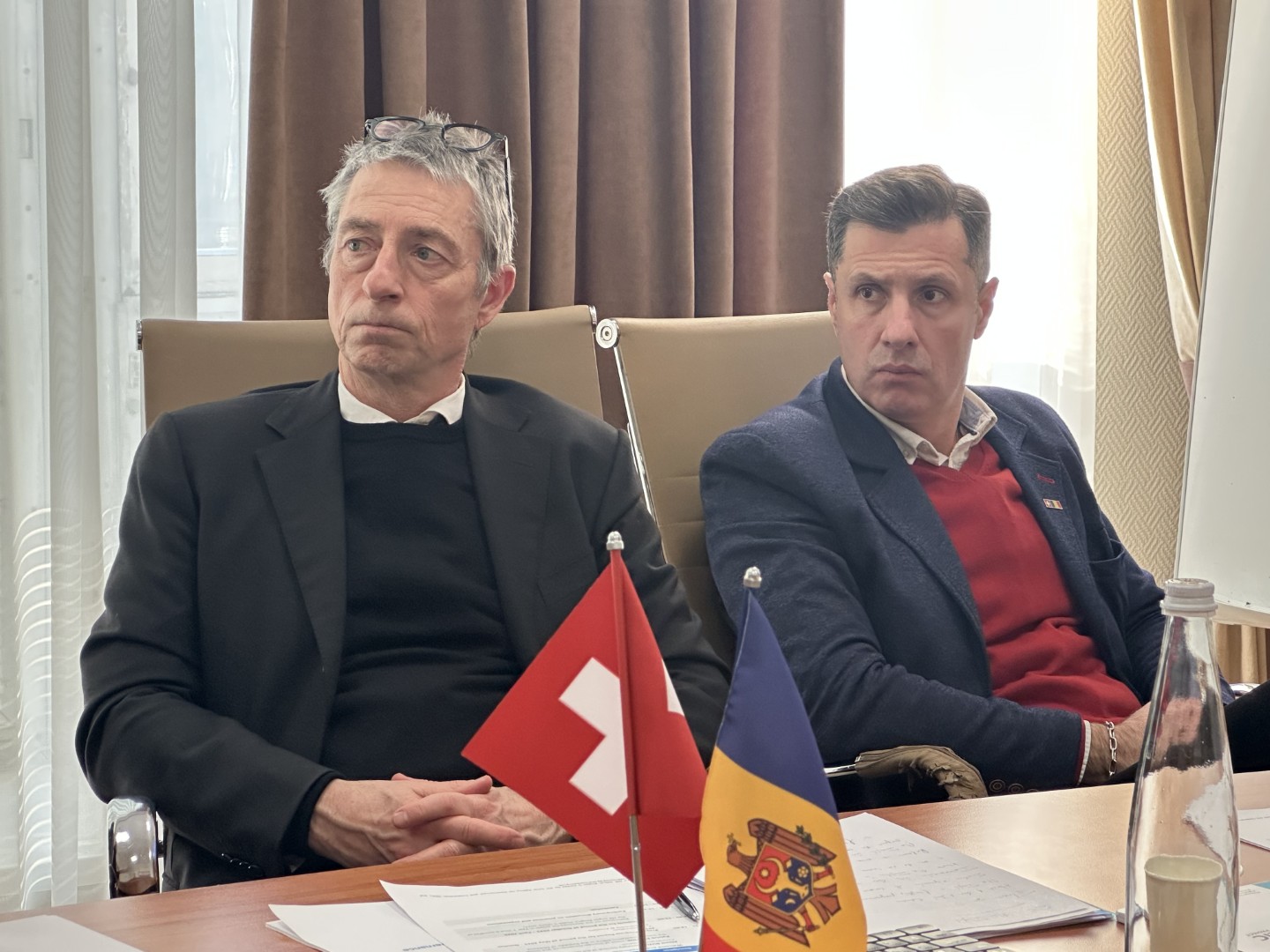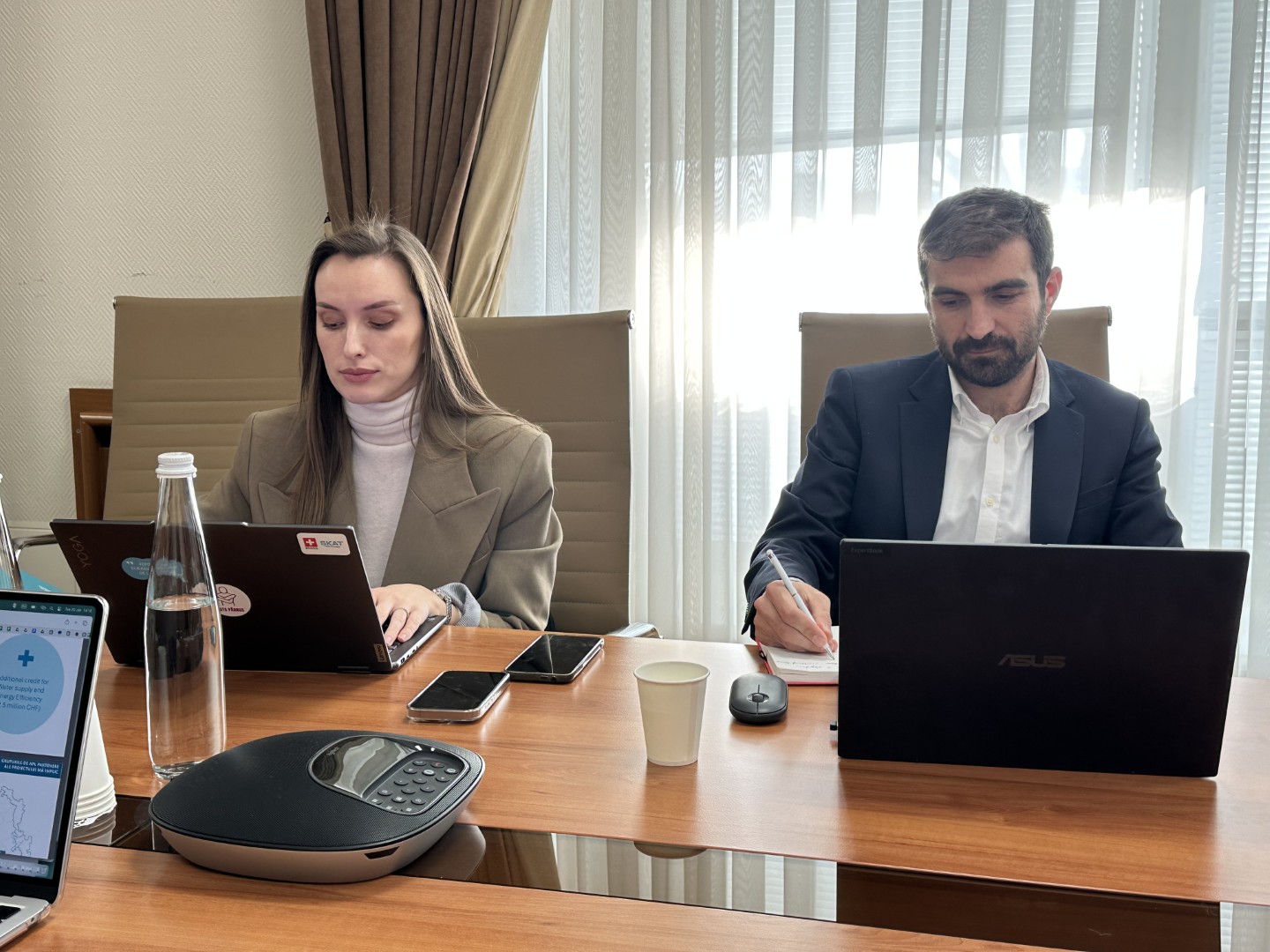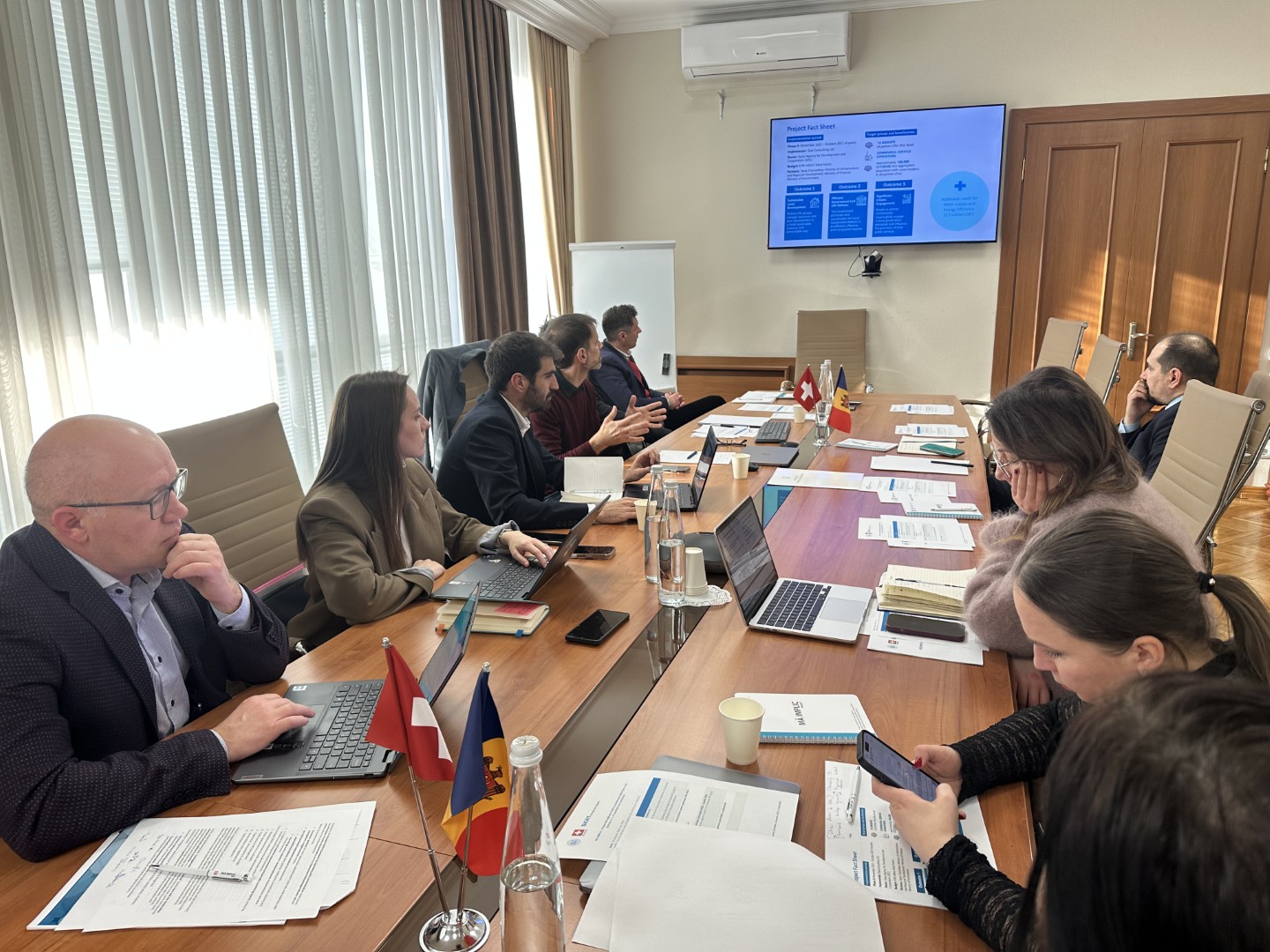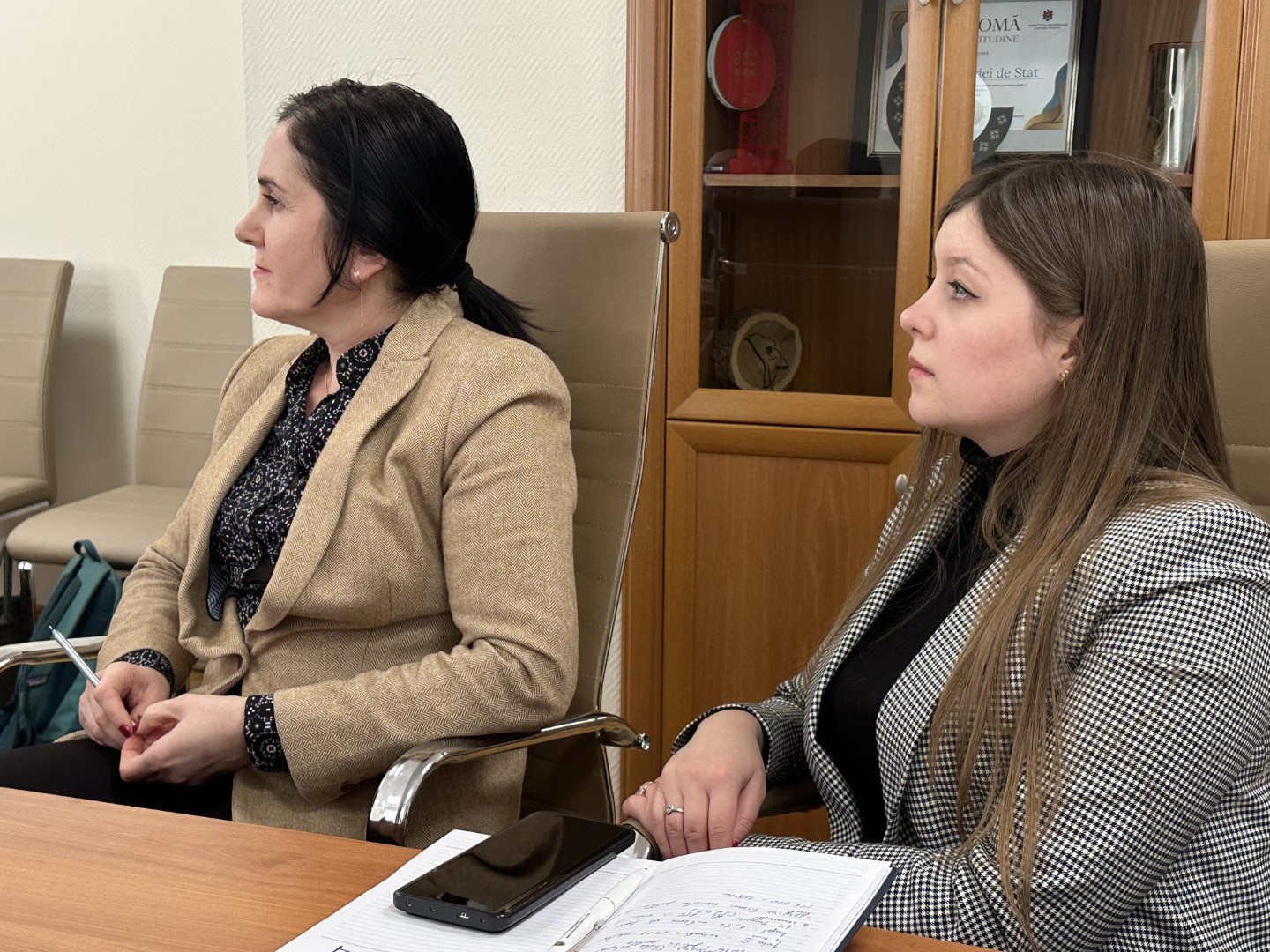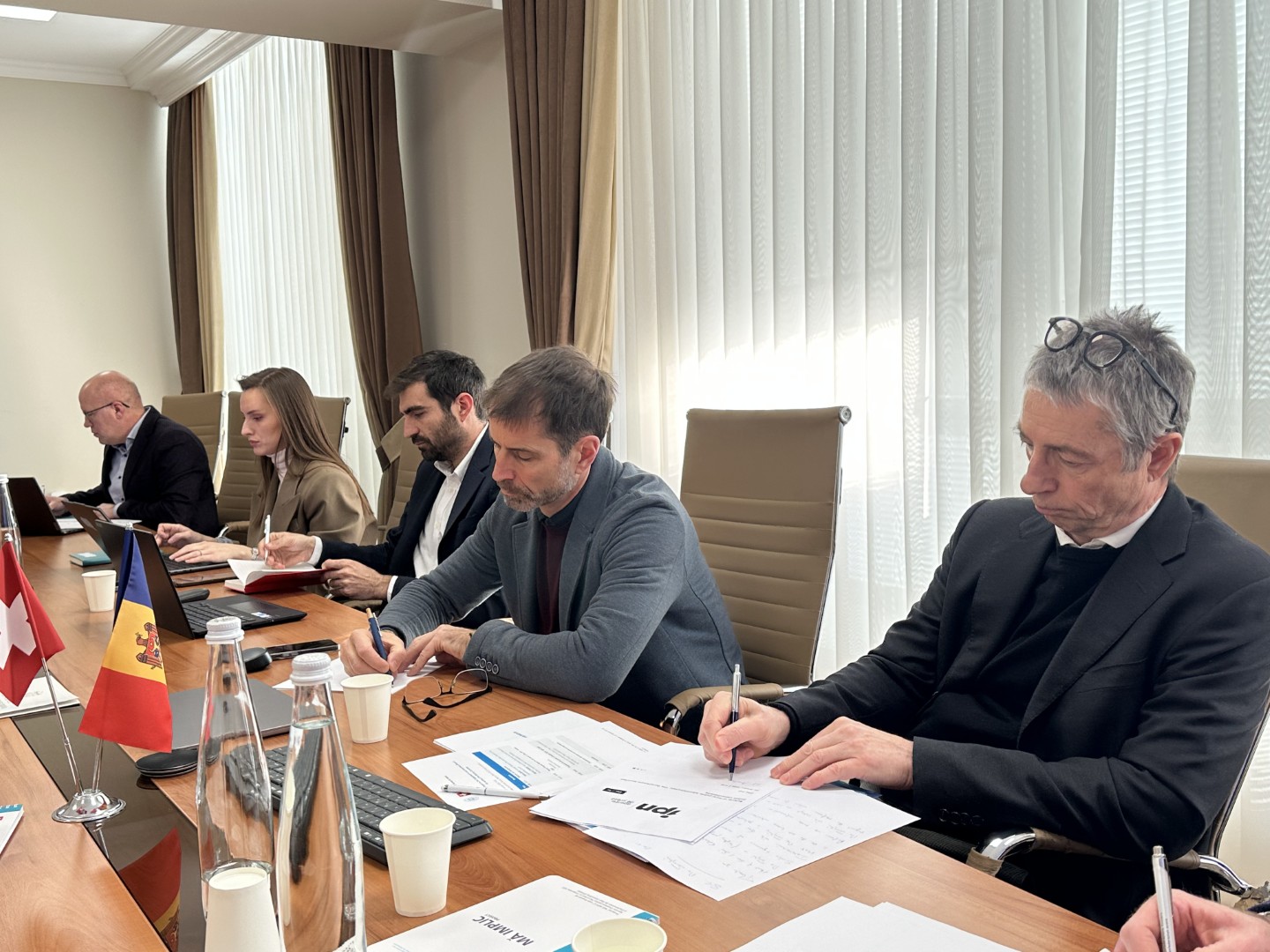
The MĂ IMPLIC Project presented progress and priorities for Year III at the fifth meeting of the Steering Committee

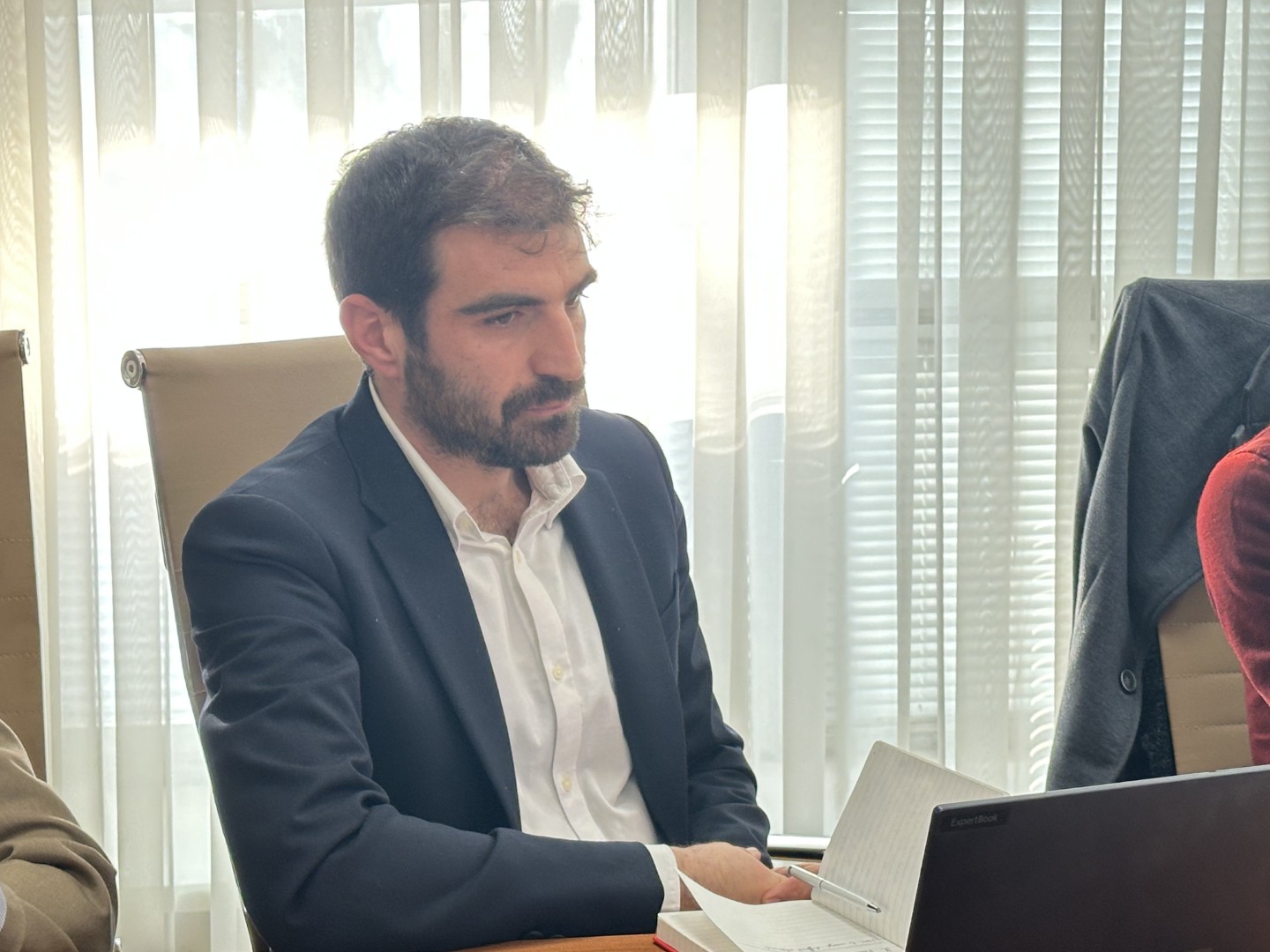
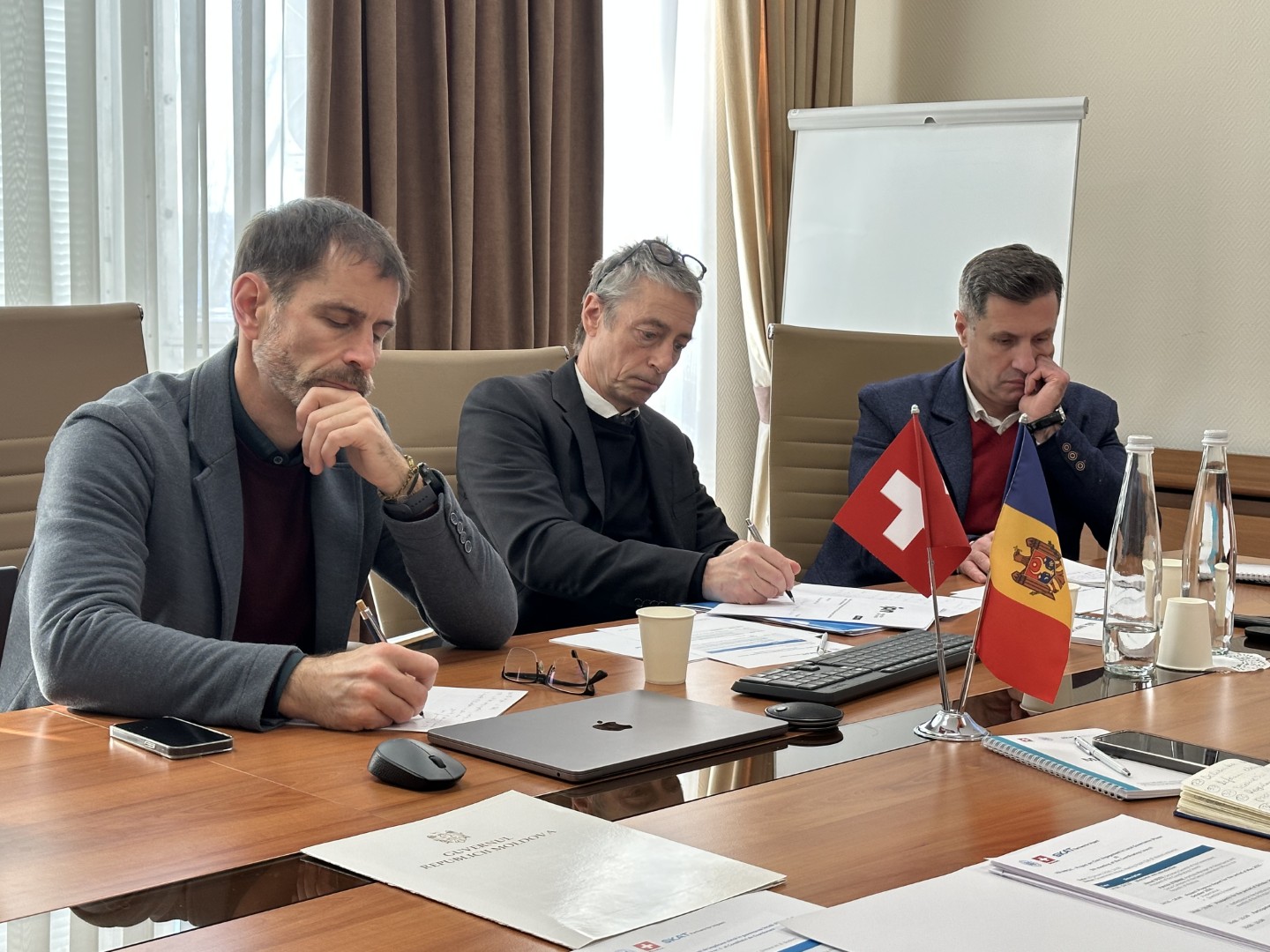
Chișinău, 20 January 2026 – The MĂ IMPLIC Project – Civic Engagement in Local Governance (Phase II, 2023–2027) presented the results achieved during the period May–October 2025, as well as the priorities for the next implementation phase, at the fifth meeting of the Steering Committee, held at the Government of the Republic of Moldova.

The event brought together representatives of the State Chancellery, central public authorities, including the Ministry of Infrastructure and Regional Development (MIDR), the Ministry of Environment, and the National Center for Sustainable Energy (CNED), the Swiss Cooperation Office in the Republic of Moldova, as well as the project implementation team.


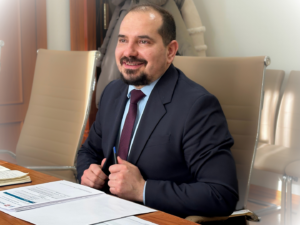
The meeting was opened by Mr. Alexei Buzu, Secretary General of the Government and Chair of the Steering Committee, who highlighted the role of the MĂ IMPLIC Project in supporting the reform of local public administration, particularly through inter-municipal cooperation, improved public services, and the active involvement of citizens. 



In turn, Mr. Patrik Etienne, Head of Governance and Social Cohesion at the Swiss Cooperation Office, reiterated Switzerland’s support for strengthening local governance and emphasized the importance of aligning the project with the priorities of good governance and social cohesion. 
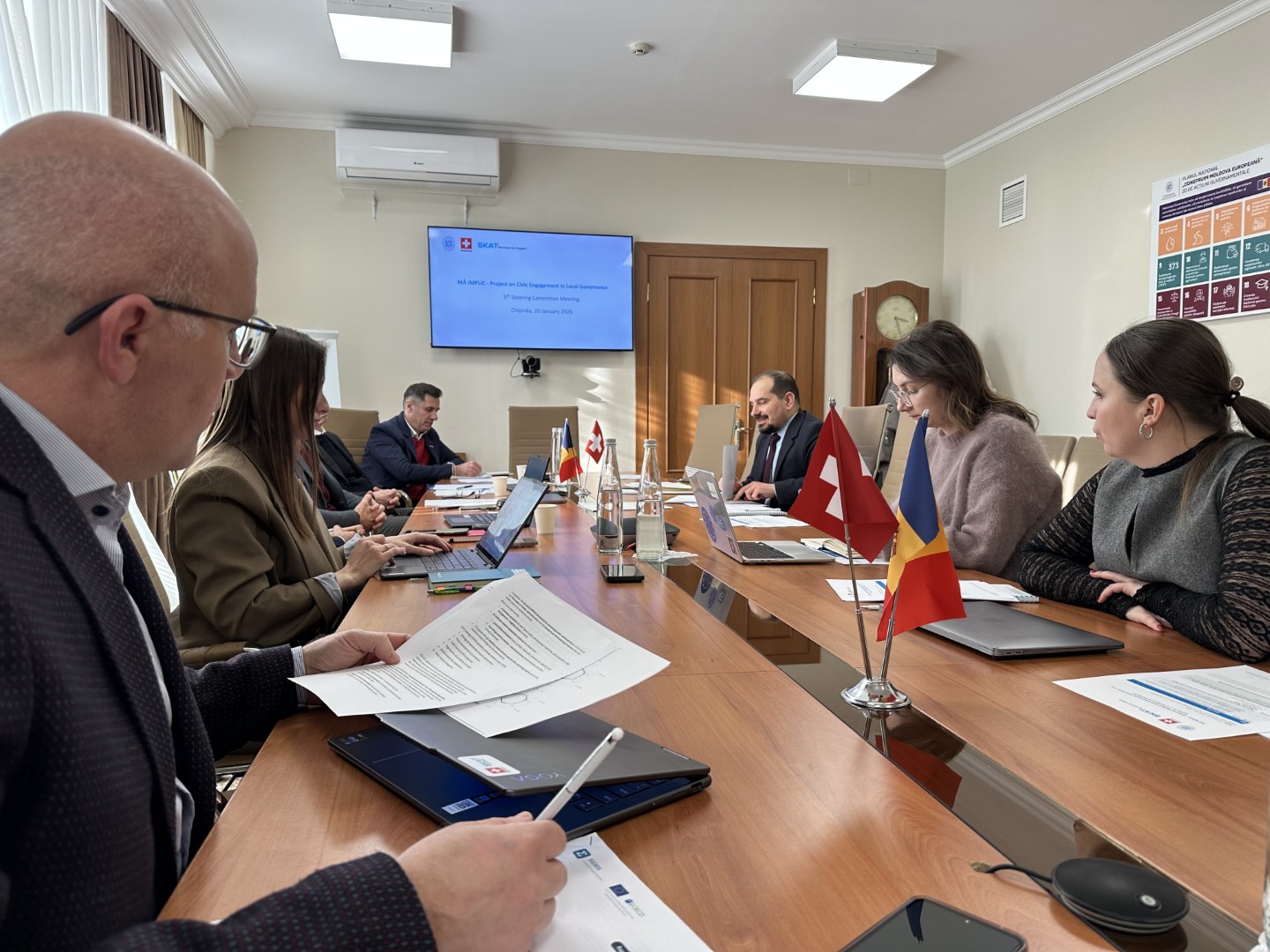
During the meeting, discussions focused on the need for the reform of local public administration to translate into tangible improvements in public service delivery at local level. Participants underlined the importance of linking policy changes and structural reforms to the actual organization, management, and delivery of services to citizens.

A strong emphasis was placed on continuous dialogue between the central level and local public authorities, which was considered essential for advancing the reform. Regular and structured consultations were highlighted as a key instrument for ensuring a realistic implementation of reform measures, adapted to real capacities and needs at territorial level, while also strengthening trust and ownership of the reform process.

The importance of strengthening institutional capacities was also emphasized, through training activities and applied support directly connected to the daily work of local authorities, including areas such as project fund management and public procurement. Participants also highlighted the role of citizen engagement, noting that higher levels of civic participation contribute to more resilient communities and better-adapted public services.. 

Progress achieved in the second year of implementation

As part of the progress report for the second year of the project, the following results were presented:

  • 8 Grant Agreements signed with groups of local public authorities (as of the meeting date: 10 groups in total, with another 2 in process);

  • each Grant Agreement includes an Inter-municipal Cooperation Agreement and a Service Improvement Plan (SIP);

  • Citizen Engagement Plans developed and approved in 7 LPA groups, with approximately 200 events and over 17,500 participations;

  • challenges were also identified, related to aligning common objectives and administrative capacity, which resulted in delays in some procurement processes.

At the same time, the project continued implementing the Capacity Development Programme for LPA staff, with a focus on public communication, citizen engagement, and mentoring. 120 LPA employees were trained, and FOCAS assessments indicate a slight increase in institutional capacities.

Within the Water and Energy Efficiency component, significant progress was reported in Satul Nou (Cimișlia district), Copăceni (Sîngerei district), Bădiceni (Soroca district), and Dîngeni (Ocnița district), as well as the launch of an energy efficiency information campaign and the initiation of the process to introduce the European Energy Award in the Republic of Moldova.

Priorities for Year III of implementation

For the third year of implementation, the project aims to expand capacity development programmes, sign Grant Agreements with the remaining LPA groups, implement priority investments in public services (public transport, waste management, water supply, and energy efficiency), strengthen citizen engagement, and support communication of the local public administration reform at both local and central levels.

Through its activities to date, the MĂ IMPLIC project demonstrates that effective local government reform — supported by modern services, inter-municipal cooperation, and energy efficiency initiatives — creates real opportunities for sustainable development and improved quality of life for citizens..

The goal of the MĂ IMPLIC Project is to contribute to strengthening local governance and increasing the population’s access to better public servicesPhase II (2023–2027), with a total budget of 6,960,144 CHF, is funded by the Swiss Agency for Development and Cooperation (SDC) and implemented by Skat Consulting (Switzerland).

#MaImplicProject #SkatConsulting #SwissCooperation #Elvetia #LocalGovernance #CommunityEngagement #EnergyEfficiency